By Blume Forte Attorneys At Law, New Jersey Child Pedestrian Accident Attorneys
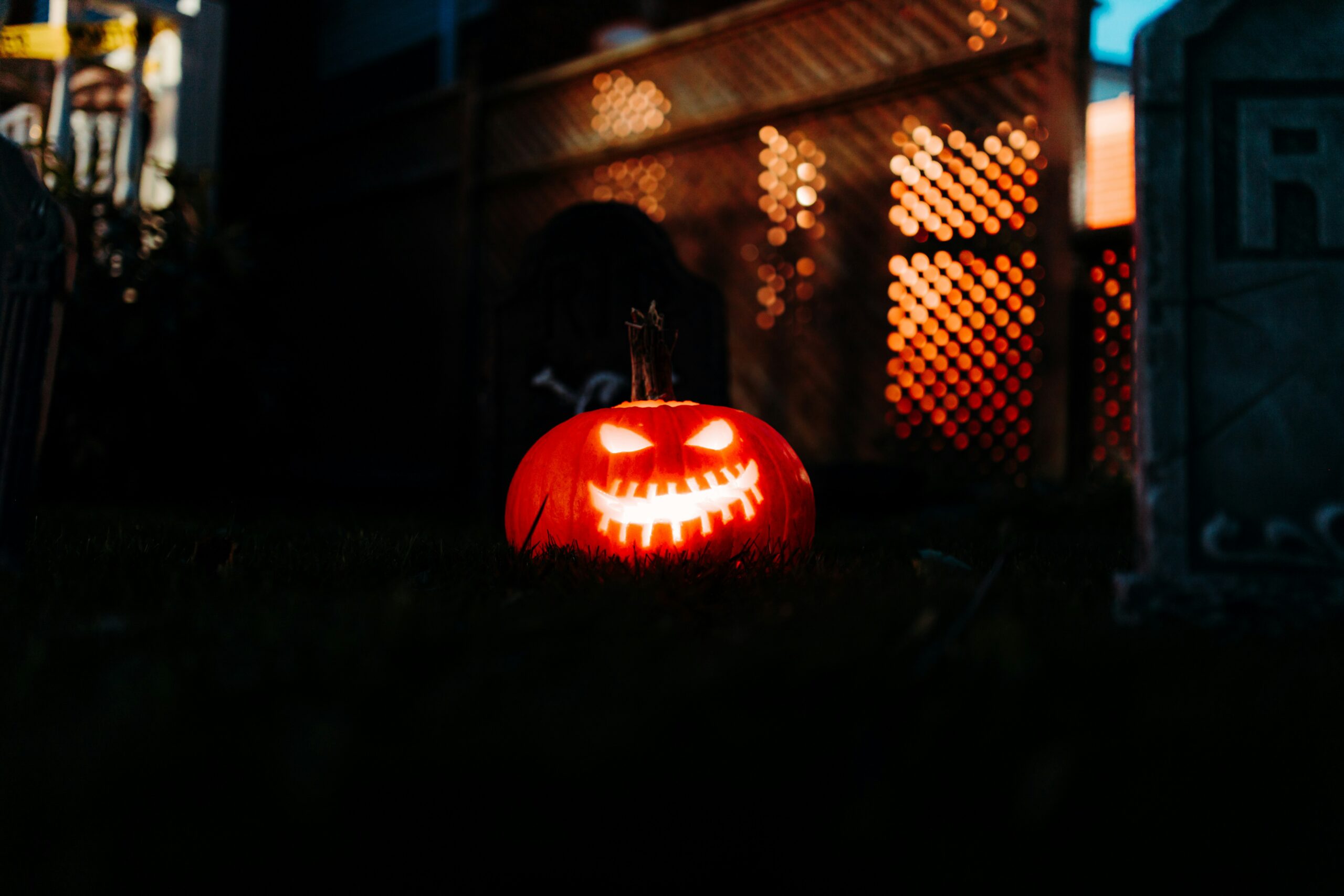
One minute, your child is holding a pumpkin bucket, comparing candy with friends, and heading toward the next porch light. The next, headlights cut through the dark, tires screech, and Halloween becomes something your family will never remember the same way again.
When a trick-or-treater gets hit by a car in NJ, parents often replay every second. Was the driver speeding? Did they see the children? Was the street too dark? Should the car have stopped? Could someone have prevented this?
Halloween is not an ordinary night on New Jersey roads. Drivers know, or should know, that children will be walking through neighborhoods, crossing streets, stepping around parked cars, and moving quickly from house to house. That matters. If a driver fails to slow down, pay attention, or adjust for the obvious risk of children nearby, they may be legally responsible for the harm they cause.
However, Halloween pedestrian accident claims can involve more than one responsible party. A careless driver may be liable. So may a vehicle owner, delivery company, rideshare company, property owner, event organizer, or public entity, depending on what happened. If your child was hit by a car while trick-or-treating in New Jersey, call Blume Forte Attorneys at Law at 973-845-4421 or use the firm’s online contact form to talk through what happened and what your family can do next.
Halloween Pedestrian Accidents In NJ: Why Drivers Must Expect Children Near The Road
On most nights, a driver might not expect groups of children to cross a quiet residential street after dark. Halloween is different.
Porch lights are on. Sidewalks are crowded. Parents are pushing strollers. Older children are walking in groups. Younger children may dart ahead because they see a decorated house or a bowl of candy. Costumes may block vision. Masks may limit hearing. Dark fabric may blend into shadows. Meanwhile, cars may line both sides of the road, leaving narrow lanes and blocked sightlines.
That combination creates a predictable danger. Because the danger is predictable, drivers must respond with extra care.
A driver should slow down and stay alert when traveling through:
- Residential neighborhoods: Streets where children are moving between homes
- Apartment complexes: Parking lots and internal roads with limited visibility
- School zones: Areas where Halloween events or trunk-or-treat gatherings may take place
- Downtown areas: Busy streets in places like Jersey City, Newark, Chatham, and Sea Girt
- Poorly lit roads: Blocks where costumes, shadows, and parked cars make children harder to see
This is where the legal question starts. The issue is not simply whether the child crossed at the perfect place. The issue is whether the driver acted reasonably under Halloween conditions.
Trick-Or-Treater Hit By A Car In NJ: What Should The Driver Have Done Differently?
After a crash, insurance companies often focus on the child’s actions. They may ask whether the child crossed outside a crosswalk, ran ahead of a parent, or stepped out from between parked cars.
Those questions can matter. However, they do not tell the whole story.
On Halloween, a careful driver should assume that children may do unpredictable things. That does not mean every driver is automatically liable. However, it does mean a driver cannot use ordinary-night assumptions on a night built around children walking door to door after dark.
A driver may be responsible when they:
- Drove too fast: Speed reduced the driver’s ability to stop in time
- Looked away: A phone, GPS, passenger, or delivery app distracted the driver
- Failed to yield: The driver did not stop for a child in or near a crosswalk
- Ignored visibility problems: Darkness, rain, parked cars, or costumes made extra caution necessary
- Backed up carelessly: The driver reversed from a driveway without checking for children
- Drove impaired: Alcohol or drugs affected reaction time, judgment, or awareness
These cases often turn on details. How fast was the car moving? Were the headlights on? Was the child visible? Were other families nearby? Did neighbors see the driver using a phone? Did doorbell cameras capture the crash?
Those answers can change the case.
Halloween Is A Warning Sign For Drivers: Why The Date Itself Matters
Halloween gives drivers a warning before they even turn onto a neighborhood street. It tells them children will be outside. It tells them traffic may move slowly. It tells them visibility may be poor. It tells them families may cross near driveways, intersections, cul-de-sacs, and parked cars.
That is why the date matters in a legal claim. A driver who rushes through a neighborhood on October 31 cannot reasonably act surprised that children were nearby. A driver who checks a phone while passing crowded sidewalks cannot fairly say they had no reason to expect pedestrians. A driver who speeds past decorated homes may have ignored one of the most obvious pedestrian risks of the year.
In a New Jersey pedestrian accident case, reasonable care depends on the circumstances. Halloween circumstances demand more caution, not less.
For example, a safe driver may need to:
- Reduce speed: Drive below the posted limit when children are present
- Scan continuously: Watch sidewalks, driveways, parked cars, and intersections
- Avoid distractions: Put away the phone and keep attention on the road
- Use extra caution when turning: Watch for children crossing side streets or driveways
- Prepare to stop: Expect sudden movement in residential areas
A child may have been excited. A child may have moved quickly. A child may have crossed from one side of the street to another because that is exactly what children do on Halloween. The legal question is whether the driver drove as if they knew that.
Who May Be Legally Responsible When A Trick-Or-Treater Gets Hit By A Car In NJ?
The driver is often the most obvious starting point, but they may not be the only legally responsible party. A Halloween crash can involve several layers of responsibility, especially when a child suffers serious injuries.
Potentially responsible parties may include:
- The driver: Responsible if careless driving caused or contributed to the crash
- The vehicle owner: Relevant if someone allowed an unsafe driver to use the car
- An employer: Relevant if the driver was delivering food, packages, groceries, or working at the time
- A rideshare or delivery company: Relevant if app-based driving activity played a role
- A property owner: Relevant if blocked sidewalks, poor lighting, or unsafe conditions pushed children into the road
- A public entity: Relevant if a dangerous roadway, broken streetlight, missing sign, or unsafe crossing contributed
- An event organizer: Relevant if a trunk-or-treat, school event, church event, or community gathering failed to manage traffic safely
This is why families should avoid assuming the case is simple. A police report may list one driver, but a full investigation may reveal additional insurance coverage, additional negligence, or additional safety failures.
Child Pedestrian Accident Claims In New Jersey: Can The Driver Blame The Child?
Many parents worry that they cannot bring a claim if their child ran into the street. That fear is understandable, especially because insurance companies often use that argument quickly.
However, children are not miniature adults. A young child may not judge speed, distance, darkness, or danger the way an adult would. Halloween adds even more unpredictability because children are excited, distracted, and often wearing costumes that limit movement or visibility.
New Jersey follows a comparative negligence rule. In simple terms, fault can sometimes be shared. If the injured person is partly responsible, compensation may be reduced by that percentage. However, if the injured person is more responsible than the person or parties being sued, recovery may be barred.
In a child pedestrian accident case, that analysis can become complicated. The child’s age, maturity, location, and behavior may matter. So does the driver’s behavior. If the driver should have anticipated children, slowed down, and watched carefully, the driver may still bear responsibility even if the child made a sudden movement.
Families should not accept the insurance company’s version of events without a closer review. The full scene matters, not just one sentence in a claim file.
Crosswalk Accidents In New Jersey: Does It Matter Where The Child Crossed?
Yes, the crossing location can matter. However, it does not answer every legal question.
New Jersey law gives pedestrians important protections in crosswalks. Drivers must stop and remain stopped for pedestrians in certain crosswalk situations. Pedestrians also have responsibilities, including using reasonable care and following traffic rules.
Still, Halloween cases often involve children, not adults calmly crossing in daylight. A child may step between parked cars, follow a group, chase a dropped candy bag, or cross from one decorated home to another. That does not automatically erase the driver’s responsibility.
Several facts may affect the claim, including:
- The child’s age: Younger children may not understand traffic danger the same way adults do
- The crossing location: A crosswalk, intersection, driveway, or mid-block crossing may affect the analysis
- The driver’s speed: A speeding driver may not have enough time to stop
- The lighting conditions: Dark streets, shadows, and costumes may affect visibility
- The neighborhood setting: A crowded Halloween route may require extra caution
So, while crosswalk use matters, it is only one part of the case. If your child was hit outside a marked crosswalk, you should not assume your family has no legal options.
The Porch Light Problem: How Neighborhood Conditions Can Create Halloween Risks
Halloween transforms ordinary streets. A quiet block in Hudson County can suddenly become crowded with families. Homes with decorations attract children. Parked cars narrow the roadway. Poor lighting hides curbs and crosswalks. Decorations, leaves, trash bins, or vehicles may block sidewalks.
Sometimes, these conditions contribute to a crash.
A property owner may become part of the claim if a dangerous condition pushed children into traffic or made the area unsafe. For example, a child may leave the sidewalk because decorations, debris, or a parked vehicle blocked the path. A poorly lit apartment complex or business parking lot may make it harder for drivers to see trick-or-treaters. A trunk-or-treat event may fail to separate children from moving vehicles.
Potential property-related issues include:
- Blocked sidewalks: Decorations, trash bins, construction materials, or vehicles forced children into the street
- Poor lighting: A walkway, parking lot, or entrance area was too dark for safe pedestrian movement
- Unsafe walkways: Broken pavement, holes, debris, or uneven surfaces caused a child to fall or move toward traffic
- Obstructed views: Shrubs, displays, parked cars, or signs made it harder for drivers and pedestrians to see each other
- Unsafe event layout: A community event failed to manage vehicle and pedestrian flow
A homeowner is not responsible simply because a crash happened nearby. However, if a dangerous property condition helped cause the accident, that issue deserves review.
Dangerous Roads In New Jersey: What If The Street Itself Played A Role?
Some Halloween pedestrian accidents involve more than one careless driver. A dangerous road condition may also contribute.
For example, a child may be hit near a broken streetlight, missing crosswalk, malfunctioning signal, obstructed stop sign, unsafe intersection, or poorly designed crossing. In some cases, a town, county, school district, or other public entity may have responsibility for a dangerous public property condition.
These claims have special rules. In New Jersey, claims involving public entities often require a notice of claim within a short period, commonly 90 days. Because those deadlines can arrive quickly, families should seek guidance as soon as possible if a roadway condition may have played a role.
Public property concerns may include:
- Broken streetlights: Poor lighting made children harder to see
- Missing signs: Drivers lacked proper warning near a known pedestrian area
- Unsafe crossings: A dangerous intersection lacked appropriate markings or controls
- Blocked sightlines: Public property conditions made it difficult to see children
- Prior complaints: Previous problems showed the location may have been dangerous
A public entity claim can be challenging, but it may be important after a serious injury. Therefore, families should preserve photos, videos, location details, and witness names quickly.
Doorbell Cameras, Costumes, And Candy Buckets: What Evidence Should Families Save?
Halloween accident evidence can disappear fast. Decorations come down. Doorbell footage gets overwritten. Costumes get washed or thrown away. Neighbors forget details. Cars get repaired. Street conditions change by the next morning.
If your child was hit while trick-or-treating, try to preserve:
- The costume: Dark fabric, masks, reflective tape, shoes, and damaged clothing may matter
- Photos of the street: Lighting, parked cars, crosswalks, sidewalks, and obstructions can tell part of the story
- Doorbell camera footage: Nearby cameras may show speed, impact, visibility, and driver behavior
- Witness names: Parents, homeowners, drivers, and older trick-or-treaters may remember key details
- Medical records: Emergency care, follow-up visits, imaging, therapy, and school restrictions can show the injury timeline
You should also write down what you remember while it is still fresh. Include the time, weather, lighting, direction of travel, where your child was walking, where the car came from, and what the driver said afterward.
Delivery Drivers, Rideshare Vehicles, And Halloween Traffic: What If The Driver Was Working?
Halloween can bring more than trick-or-treaters into a neighborhood. Food delivery drivers, grocery delivery vehicles, rideshare drivers, package vans, and other workers may be moving through residential streets while families are walking.
If the driver was working at the time, another party may share responsibility. An employer or company may be involved if the driver was performing job duties. A delivery app or rideshare platform may also become relevant depending on the driver’s status and insurance coverage at the time of the crash.
This can matter because company-related claims may involve different insurance policies, additional records, and more evidence. For example, app data may show whether the driver was accepting a delivery, transporting a passenger, or navigating to a pickup.
Families should try to document:
- Vehicle markings: Company logos, delivery stickers, or commercial plates
- Driver statements: Comments about working, delivering, or using an app
- App activity: Whether the driver appeared to be using a phone for navigation or delivery
- License plate details: Vehicle ownership and insurance may depend on accurate identification
- Witness observations: Neighbors may have seen the driver making deliveries before the crash
If the crash involved a working driver, the investigation should not stop with the person behind the wheel.
What To Do After A Trick-Or-Treater Gets Hit By A Car In NJ
The hours after a child pedestrian accident can feel chaotic. You may be focused on emergency care, police questions, frightened siblings, and calls from family members. Still, certain steps can help protect your child’s health and your family’s legal rights.
After the crash, try to:
- Get medical care: Have your child evaluated right away, even if symptoms seem unclear
- Call the police: A report can document the driver, location, witnesses, and initial findings
- Take photos: Capture the street, lighting, crosswalks, vehicle damage, injuries, and nearby obstructions
- Save video sources: Ask neighbors, businesses, and homeowners about camera footage
- Collect witness information: Get names and phone numbers from parents, drivers, and residents
- Preserve clothing: Keep the costume, shoes, mask, candy bag, and damaged items in a safe place
- Avoid quick insurance statements: Do not let an insurer pressure you before you understand the claim
Medical follow-up also matters. Some injuries, including concussions, internal injuries, fractures, growth plate injuries, and emotional trauma, may not fully appear right away. Keep appointment records, discharge papers, school absence notes, therapy records, and receipts connected to the crash.
FAQ About Trick-Or-Treater Car Accidents In New Jersey
Who Is Legally Responsible When A Trick-Or-Treater Gets Hit By A Car In NJ?
The driver is often the first party reviewed, especially if they were speeding, distracted, impaired, or failed to yield. However, responsibility may also involve a vehicle owner, employer, property owner, municipality, event organizer, or another negligent party depending on the facts.
Can We Still Bring A Claim If My Child Crossed Outside A Crosswalk?
Possibly. Crosswalk use matters, but it does not automatically defeat a claim. A driver may still be liable if they failed to use reasonable care, especially in a neighborhood where children were expected to be trick-or-treating.
What If The Insurance Company Says My Child Ran Into The Street?
Do not assume the insurance company is right. Children can act unpredictably on Halloween, and drivers should adjust for that risk. The full investigation should review speed, visibility, lighting, reaction time, distraction, and whether the crash could have been avoided.
Can A Parent Be Blamed For A Halloween Pedestrian Accident?
Insurance companies may ask about supervision, but parents are not automatically responsible because a child was injured. The key issue is what caused the crash and whether the driver or another party failed to act reasonably.
How Long Do We Have To File A Child Pedestrian Accident Claim In New Jersey?
New Jersey personal injury deadlines can vary, especially when the injured person is a minor or when a public entity may be involved. Because certain notices and deadlines can apply quickly, families should ask for legal guidance as soon as possible.
Talk To Blume Forte Attorneys At Law After A Halloween Pedestrian Accident In NJ
A Halloween crash involving a child is every parent’s nightmare. In the aftermath, you may have police officers calling, insurance adjusters asking questions, doctors giving updates, and family members trying to understand what went wrong. You do not have to sort through all of that alone.
Blume Forte Attorneys at Law represents injured children and families throughout New Jersey in serious pedestrian accident cases. If your child was hit by a car while trick-or-treating, call 973-845-4421 or use the firm’s online contact form to discuss the crash, the injuries, and the next steps.
A careful review can help determine who may be legally responsible, what evidence needs to be preserved, and how your family can pursue the support your child needs after a frightening Halloween pedestrian accident.
Disclaimer: This blog is intended for informational purposes only and does not establish an attorney-client relationship. It should not be considered as legal advice. For personalized legal assistance, please consult our team directly.