By the Product Liability and Wrongful Death Team at Blume Forte Attorneys at Law
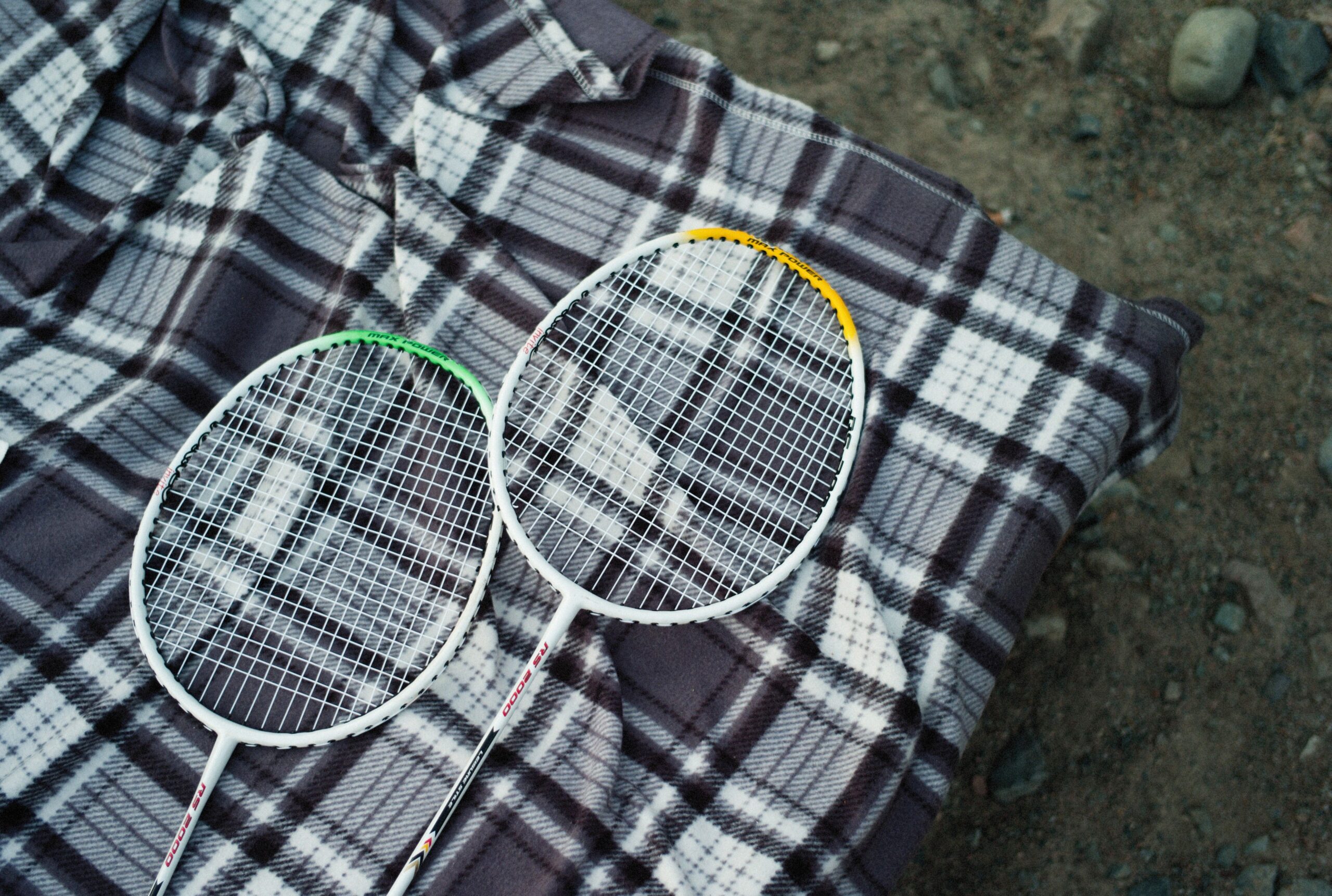
A backyard game of badminton should end with laughter, not a trip to the hospital, yet an ordinary afternoon can turn fatal when a product a family trusted was never as safe as it looked. If a defective product has taken the life of someone you love, you are probably wondering how something so familiar could become deadly, and whether anyone can be held responsible. A New Jersey product liability wrongful death claim exists for exactly these moments, giving families a way to seek answers and accountability when a dangerous product causes a fatal injury.
These cases are not limited to cars or heavy machinery. They can involve a household appliance, a medication, a piece of playground equipment, or even a child’s toy. The heartbreaking truth is that manufacturers sometimes put products on the market that are poorly designed, badly built, or sold without the warnings families need to stay safe. When that happens and someone dies, the law gives surviving loved ones the right to ask why, and to seek fair compensation for what they have lost.
If your family is facing this kind of loss, you do not have to sort through it alone. You can reach our New Jersey wrongful death and product liability team any time at 973-845-4421, or you can use the confidential contact form on this website to request a free consultation. We are here to listen first and explain your options at a pace that feels right for you.
A Child’s Game That Ended In Tragedy: How Could A Badminton Racket Cause A Fatal Injury?
The idea that a toy could kill a child feels almost impossible, until it happens. In early June 2024, six-year-old Lucy Morgan was playing badminton with her brother during the family’s lakeside vacation in Maine. Lucy’s family is from New Jersey, where her father serves as a pastor in Rockaway. According to a wrongful death lawsuit her parents filed in August 2026, the aluminum shaft of the racket broke loose from its wooden handle, and a sharp piece struck Lucy in the head and pierced her skull. She was taken to a local hospital, then airlifted to a medical center in Portland, where she died four days later.
The complaint names the racket’s maker, Franklin Sports, a Massachusetts-based company, and alleges the racket was defective because the adhesive holding the metal stem in place was inadequate and there was no secondary restraint to keep the piece from becoming a projectile if that connection failed. It also claims the company did not warn families about the danger. The lawsuit points to an earlier incident in which a child reportedly lost an eye to a similar Franklin racket, and argues that a simple, low-cost fix in the handle could have prevented further harm. Because the accident happened while the family was out of state, that particular lawsuit is moving through a court there rather than in New Jersey.
For families in the Garden State, though, the questions are exactly the same. How does a company let a product like this reach store shelves? What has to be proven to hold a manufacturer responsible? And what would a case like this look like if it happened here at home? There are real lessons New Jersey families can take from this loss, and the sections below walk through how our state handles defective product deaths, so a tragedy like this becomes a window into a type of claim that touches families far beyond one badminton racket.
Product Liability Lawsuits: How Do You Prove A Product Was Actually Defective?
Winning a defective product case is not about showing that an accident happened. It is about showing that the product was unreasonably dangerous and that the danger caused the death. New Jersey law generally recognizes three ways a product can be defective, and understanding them helps explain what a legal team investigates from the very first day.
- Manufacturing defect: A product that left the factory different from its intended design, such as a handle that was never properly secured to the shaft
- Design defect: A product that is dangerous even when built correctly, because a reasonably safer design was available and would have prevented the harm
- Failure to warn: A product sold without the clear instructions or safety warnings a family would need to understand and avoid a known risk
Proving any of these usually takes far more than the family’s account of what happened. It often involves preserving the product itself, retaining engineers to examine how it failed, gathering the manufacturer’s own records and prior complaints, and reconstructing exactly how the injury occurred. In Lucy’s case, for example, the central questions are whether the shaft was adequately fastened, whether the design should have included a backup restraint, and whether the company knew about the risk. These are the same threads a New Jersey team would pull on for a defective ladder, a faulty space heater, or a dangerous auto part.
New Jersey Product Liability Law: Who Can File A Wrongful Death Claim And How Long Do You Have To Act?
New Jersey handles defective product claims under the state’s Product Liability Act, which is the framework that governs when a maker or seller can be held responsible for harm caused by a dangerous product. When that harm results in death, the case is brought as a wrongful death action, and the two areas of law work together. In plain terms, the product liability side asks whether the product was defective, and the wrongful death side addresses who may recover and for what.
Under New Jersey law, a wrongful death claim is filed by the personal representative of the person who died, on behalf of the surviving family members who depended on them, which typically includes a spouse, children, or parents. The compensation available is meant to reflect real losses, and can include the financial support the family has lost, funeral and burial costs, and the loss of guidance, companionship, and care a loved one provided. A related survival claim can also address what the person endured before death.
Timing matters a great deal. New Jersey generally gives families two years from the date of death to file a wrongful death lawsuit, and waiting too long can permanently close the door on a claim, no matter how strong it might have been. Evidence also fades quickly, since products get discarded, memories blur, and companies move on. No responsible law firm can promise a specific outcome, but acting early gives your family the best chance to preserve what a case needs to succeed.
After A Fatal Product Accident: What Practical Steps Can Protect Your Family’s Claim?
In the days after a loss like this, legal steps are the last thing on anyone’s mind, and they should be. Still, a few simple actions can protect your family’s options later, and most of them are about preserving what already exists rather than doing anything difficult.
- The product itself: The item involved, along with its packaging, manuals, and any warnings or instructions that came with it
- Photos and video: Images of the product and the scene, captured as soon as reasonably possible
- Medical records: Documentation of the injuries, the treatment provided, and the cause of death
- Purchase information: Receipts, order confirmations, or anything showing where and when the product was bought
- Witness details: Names and contact information for anyone who saw what happened
Please do not feel that you must gather all of this on your own while you are grieving. A knowledgeable New Jersey product liability team can take that burden off your shoulders, tracking down records and securing the product for inspection so nothing important is lost. The most valuable thing you can do early on is avoid throwing the product away and reach out for guidance before speaking with the manufacturer or its insurer.
Serving Families Throughout New Jersey: Where Can You Turn After A Defective Product Death?
Defective product tragedies do not respect county lines, and neither should the help available to families. From Sussex County and North Jersey down through Newark, Trenton, and the communities along the Jersey Shore, we work with families across the state who are trying to understand a loss that never should have happened. Our offices in Chatham, Jersey City, Sea Girt, and North Bergen keep us close to the people we serve, whether you are near the Garden State Parkway or in a quieter corner of Bergen County.
What stays the same everywhere is our approach. We take the time to understand your family, investigate the product thoroughly, and explain each step in language that makes sense. You have been through enough confusion already, and our job is to bring clarity, not add to it.
Frequently Asked Questions About New Jersey Defective Product Wrongful Death Claims
What is a product liability wrongful death claim in New Jersey?
It is a legal claim brought when a defective or unreasonably dangerous product causes someone’s death. The family, through the estate’s personal representative, seeks compensation from the manufacturer or seller responsible for putting the dangerous product into the marketplace.
Who can file a wrongful death lawsuit in New Jersey?
The claim is filed by the personal representative of the person who died, on behalf of the surviving family members who suffered a loss, which usually includes a spouse, children, or parents. An experienced attorney can help identify who is entitled to recover.
How do you prove a product was defective?
You generally show that the product had a manufacturing defect, a design defect, or a failure to warn, and that this defect caused the fatal injury. This often requires preserving the product, retaining engineers, and reviewing the manufacturer’s records and past complaints.
How long do I have to file a defective product death claim in New Jersey?
New Jersey typically allows two years from the date of death to file a wrongful death claim. Because deadlines are strict and evidence disappears quickly, it is wise to speak with a lawyer as soon as you are able.
How much does it cost to talk to a New Jersey product liability lawyer?
An initial consultation is free, and these cases are usually handled on a contingency basis, which means you pay no attorney fee unless there is a recovery. That structure lets families seek accountability without adding financial pressure during an already difficult time.
Talk With A New Jersey Product Liability And Wrongful Death Lawyer From Blume Forte Attorneys at Law Today
No lawsuit can undo the loss of someone you love, and we would never pretend otherwise. What a defective product wrongful death claim can do is hold a manufacturer accountable, uncover the truth about how a dangerous product reached your family, and provide the financial stability that helps you move forward. If there is a lesson New Jersey families can take from a child’s game turning fatal, it is that ordinary products can carry hidden dangers, and that families facing the unthinkable do not have to sort through it alone.
When you are ready, our dedicated New Jersey product liability and wrongful death team is here to help. Call us at 973-845-4421 or reach out through the confidential contact form on this website to schedule a free consultation. There is no pressure and no obligation, just a chance to have your questions answered by people who care about getting it right.
Disclaimer: This blog is intended for informational purposes only and does not establish an attorney-client relationship. It should not be considered as legal advice. For personalized legal assistance, please consult our team directly.