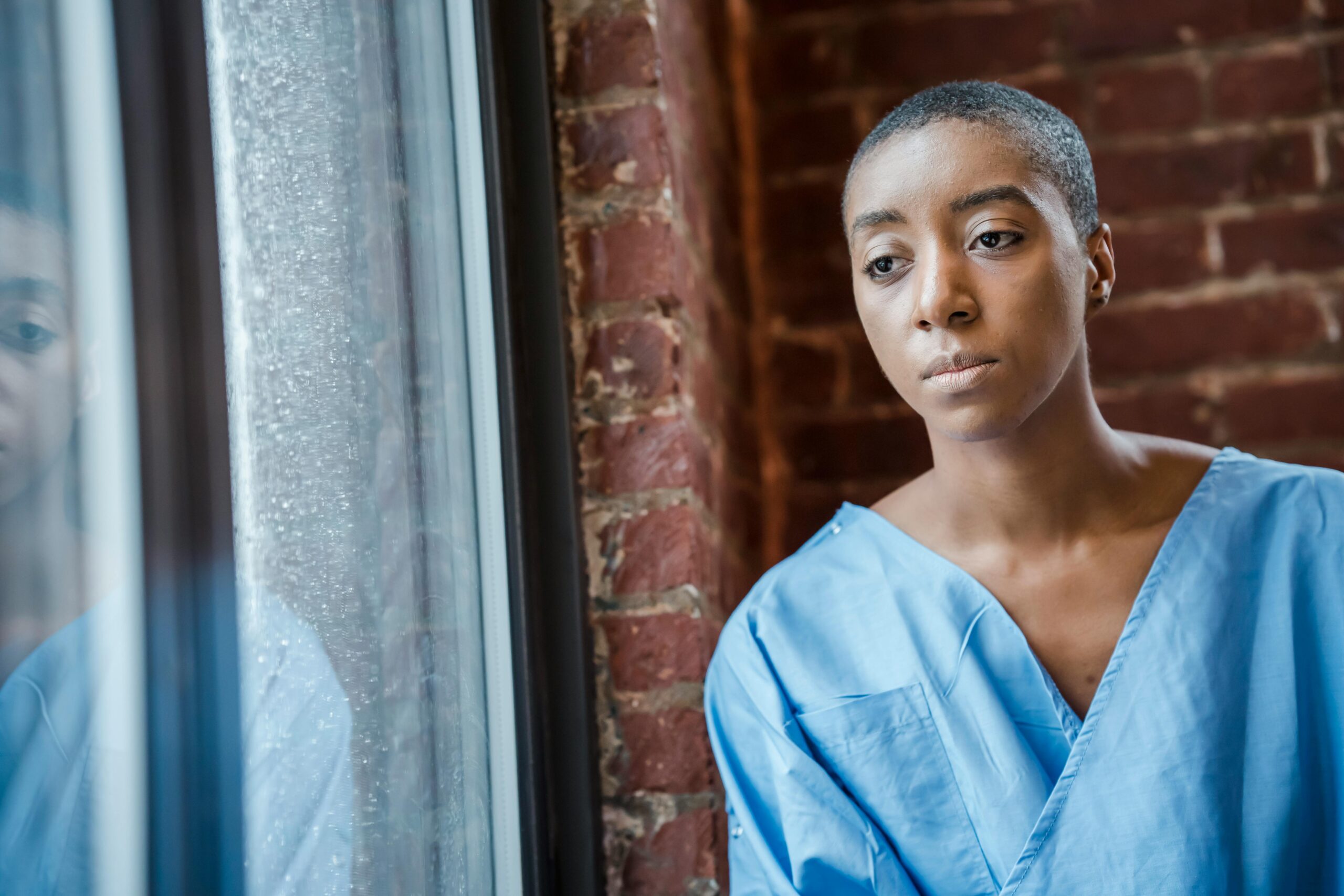
Cancer treatment is rarely simple.
It involves multiple providers, coordinated care, and decisions that must be made quickly but carefully. For many patients in New Jersey, oncology nurses play a central role in that process. They monitor symptoms, administer treatments, and often serve as the primary point of communication.
That is why when something goes wrong, the consequences can be serious.
May is Oncology Nursing Month, a time meant to recognize the critical role nurses play in cancer care. However, it also raises an important question. What happens when breakdowns in oncology care lead to harm?
If you or a loved one experienced complications, delays, or errors during cancer treatment, understanding your legal options may be an important step. Blume Forte Attorneys at Law handles complex medical malpractice cases across New Jersey and can help evaluate whether a failure in care may have contributed to a patient’s outcome. Contact us today if you believe you have a case.
Oncology Care Errors In NJ: Where Do Breakdowns In Treatment Typically Occur?
Cancer care involves a system, not just one provider.
In many cases, patients receive treatment through hospitals, outpatient centers, and specialized clinics across areas like Newark, Hackensack, and New Brunswick. Within that system, oncology nurses often manage:
- Medication administration, including chemotherapy
- Monitoring for adverse reactions
- Communication between doctors and patients
- Documentation of symptoms and treatment responses
Breakdowns can occur when communication fails, protocols are not followed, or critical changes in a patient’s condition are not addressed.
Even a single missed detail can have consequences.
Similar Post: Early Detection Saves Lives. But What Happens When Doctors Miss The Warning Signs?
Medical Malpractice In Oncology Cases: When Does A Mistake Become Negligence?
Not every complication during cancer treatment leads to a legal claim.
However, some situations go beyond expected risks.
Medical negligence may be considered when care falls below accepted standards. In oncology settings, this may involve:
- Incorrect medication dosage or administration
- Delays in responding to serious side effects
- Failure to communicate important changes to the care team
- Inadequate monitoring during treatment
For example, a patient receiving treatment in a Jersey City hospital or a cancer center near the Garden State Parkway may rely on coordinated care. When that coordination breaks down, the results can affect treatment outcomes.
The key question often becomes whether the harm could have been prevented with appropriate care.
Oncology Nursing Responsibilities In NJ: Why These Roles Are So Critical
Oncology nurses are often at the center of patient care.
They are responsible for:
- Administering complex treatment regimens
- Observing and documenting patient responses
- Escalating concerns when complications arise
Because of this, their role carries significant responsibility.
However, they also operate within a larger system. That system may include:
- Physicians
- Hospital administrators
- Support staff
- Medical facilities
When something goes wrong, it is not always one individual who is responsible. Instead, the issue may involve multiple points of failure within the care structure.
NJ Cancer Treatment Errors: How Do Delays And Miscommunication Impact Outcomes?
Timing matters in oncology care.
Delays in treatment, missed symptoms, or communication gaps can affect:
- Disease progression
- Treatment effectiveness
- A patient’s overall prognosis
For example, if a serious side effect is not addressed promptly, it may lead to complications that interrupt or alter treatment.
In facilities across North Jersey and Middlesex County, where patient volume can be high, maintaining consistent communication is essential. When that communication breaks down, the impact can extend beyond a single appointment.
Similar Post: Fighting for the Truth: When a Delayed Cancer Diagnosis Becomes Medical Malpractice
Multiple Liability In Medical Malpractice Cases: Who May Be Responsible?
Oncology cases often involve more than one responsible party.
Depending on the situation, liability may include:
- The treating physician
- Nursing staff
- The hospital or treatment center
- Third-party providers or contractors
This layered structure can make these cases more complex than they initially appear.
For example, a treatment error in a hospital near Newark may involve both individual actions and institutional policies. Identifying all responsible parties is often a key part of evaluating the case.
Oncology Nursing Month: Why Awareness Matters For Patients And Families
Oncology Nursing Month highlights the importance of quality care.
It also serves as a reminder that patients depend on that care at every stage of treatment.
When care is delivered appropriately, it supports recovery and stability. When it falls short, the consequences can affect both immediate outcomes and long-term health.
For families across New Jersey, understanding how these systems work can help clarify what questions to ask and what steps to take if concerns arise.
Signs Of Potential Medical Negligence In Cancer Care: What Should You Look For?
Recognizing potential issues early can be difficult.
However, some signs may indicate a need for further review:
- Unexpected changes in treatment without explanation
- Delayed responses to serious symptoms
- Confusion about medication or dosage
- Lack of communication between providers
These situations do not always indicate negligence. However, they may raise questions about whether care met expected standards.
NJ Medical Malpractice Claims: Why These Cases Require A Detailed Approach
Oncology-related claims often involve complex medical evidence.
They may require:
- Review of treatment records
- Analysis of medical protocols
- Input from oncology specialists
- Evaluation of long-term impact
Because cancer care is inherently complex, these cases often require a deeper level of analysis than standard medical claims.
Understanding how each decision affected the overall course of treatment is essential.
Medical Malpractice FAQ: Frequently Asked Questions About Oncology Care Errors In NJ
Can I file a claim if something went wrong during cancer treatment?
In some cases, yes. If care fell below accepted standards and caused harm, a medical malpractice claim may be considered.
Who can be held responsible in an oncology malpractice case?
Responsibility may involve multiple parties, including medical staff and healthcare facilities.
Are complications during cancer treatment always considered negligence?
No. Some risks are inherent in treatment. The key question is whether proper care was provided.
How do I know if my cancer case should be reviewed?
If there were unexpected issues, delays, or communication failures, it may be worth evaluating further.
Why are oncology care errors cases more complex than other medical claims?
They often involve multiple providers, detailed medical records, and long-term treatment considerations.
Oncology Care Errors In New Jersey: Taking the Next Step With Blume Forte Attorneys at Law
When something goes wrong during cancer treatment, the impact can extend far beyond a single moment. It can affect a patient’s health, their treatment path, and their family’s future.
If you have questions about whether a breakdown in oncology care contributed to harm, understanding your options is an important step.
Blume Forte Attorneys at Law handles complex medical malpractice cases across New Jersey, including those involving coordinated care failures and long-term consequences. Whether treatment occurred in Newark, Jersey City, or elsewhere in the state, our medical malpractice team can help evaluate your situation and provide clear guidance. Call our firm today at 973-845-4421 or fill out our online contact form to schedule a free consultation.
Disclaimer: This blog is intended for informational purposes only and does not establish an attorney-client relationship. It should not be considered as legal advice. For personalized legal assistance, please consult our team directly.