By the New Jersey Wrongful Death Attorneys at Blume Forte Attorneys at Law
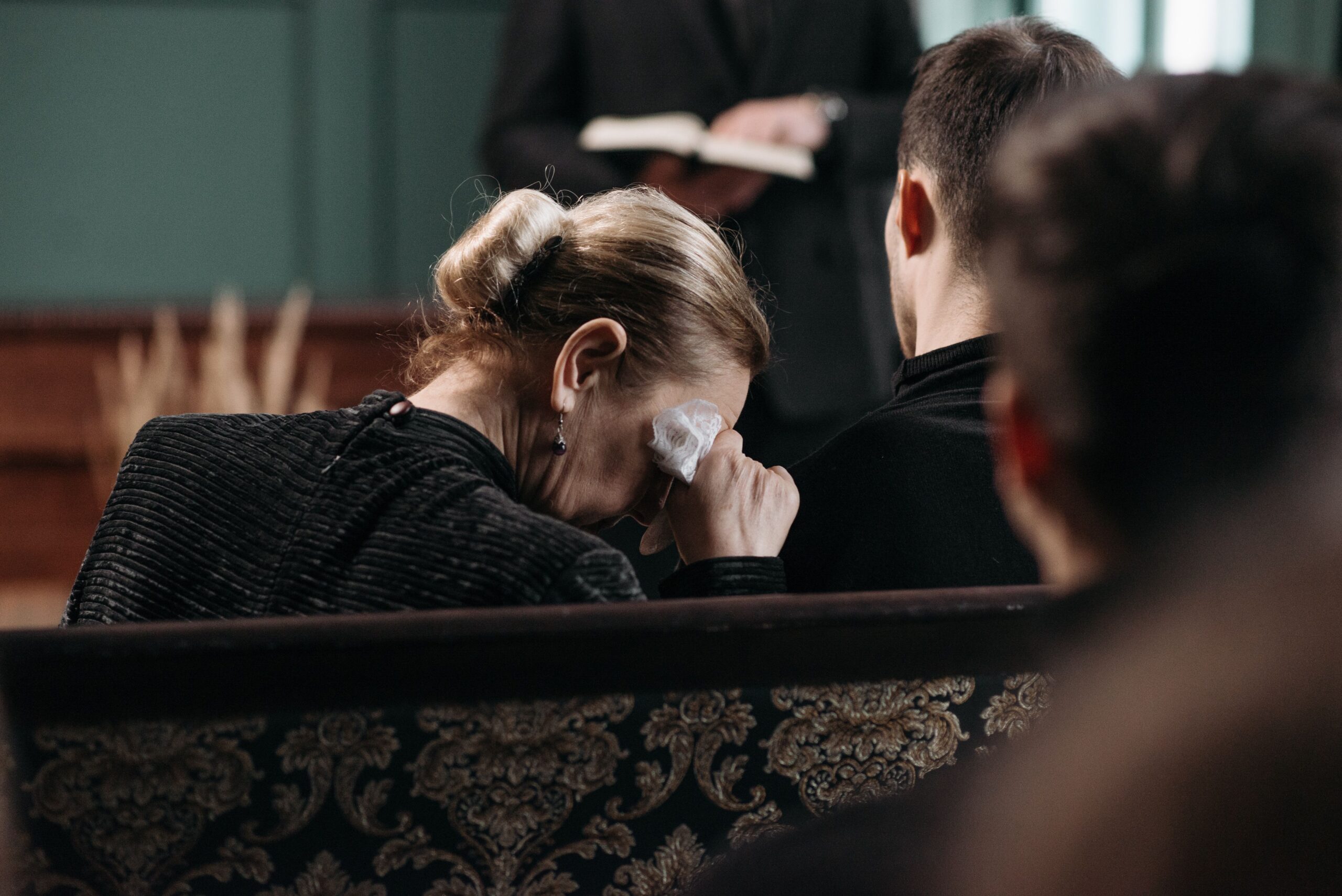
Some losses never fit neatly on a form. A voice you knew better than your own is gone. A chair at the table stays empty. The group chat that never went an hour without a message goes quiet. And somewhere in the middle of that fog, the bills start arriving, an insurance adjuster leaves a voicemail, and someone uses the phrase NJ wrongful death damages as if it should mean something to you right away.
Usually it does not. Not at first.
Here is the plain version. When a person dies because someone else was careless, New Jersey law gives certain family members a way to seek compensation. What the law measures, though, is not the same as what you feel. It focuses on the financial side of the loss: the support, the services, the guidance, and the daily contributions your loved one would have kept providing. That can feel cold when your heart is somewhere else entirely. It still matters, especially if the person you lost paid the mortgage, raised the kids, looked after aging parents, or was simply the one who kept the whole family running.
You do not have to sort this out alone or on a deadline you did not choose. Blume Forte Attorneys at Law can look at what happened, walk you through what these damages may cover, and help you decide your next step. You can reach us by phone at 973-845-4421 or through the online contact form whenever you are ready.
NJ Wrongful Death Damages: What Can Your Family Actually Recover?
New Jersey builds these damages around a single question: what did your loved one provide, and what did your family lose when that stopped? Income is the obvious piece, but it is far from the whole story. A lot of what a person gives a family never shows up on a pay stub.
Depending on the facts, a claim may account for losses like these:
- Financial support: The income and earnings the family reasonably expected to receive
- Household services: Cooking, cleaning, repairs, errands, and the daily running of a home
- Guidance and training: The advice, instruction, and mentoring a parent gives a child
- Companionship with financial value: The counsel and care that courts recognize as having worth
- Lost benefits: Health coverage, pensions, and similar contributions, depending on the situation
- Future economic losses: What the person would likely have earned and provided over a normal working life
- Funeral and burial costs: Recoverable through the related estate claim
Say a parent dies in a crash on the Garden State Parkway. The family may seek the wages that parent would have earned, but the claim can also reflect what it would cost to replace what that parent did every day: the childcare, the school runs, the meals, the homework help, and the guidance a child would have kept receiving. New Jersey lets a family recover the financial value of those contributions, which is why a stay-at-home parent, a retired grandparent who handled the childcare, or an adult child who managed an aging parent’s errands and bills can each represent a real loss, even with no paycheck attached.
New Jersey Wrongful Death Claim: Who Is Allowed To File It?
A New Jersey wrongful death claim is brought by the personal representative of the person’s estate, meaning the executor named in a will or a court-appointed administrator, on behalf of the surviving family. Who can actually recover is set by New Jersey’s inheritance rules. A spouse and children come first, and parents or other relatives typically recover only when there is no surviving spouse or child. From there, the court divides any award based on how each person depended on the one they lost, which is where these cases come alive.
Pecuniary Losses: Why Does New Jersey Only Count What Has A Dollar Value?
New Jersey centers wrongful death recovery on what it calls pecuniary losses, meaning losses that can be tied to a financial value. The phrasing is stiff, but the idea is simple: the law asks what measurable support, services, and guidance your family will go without.
That reaches well past wages. It includes the value of a parent teaching and raising a child, a spouse managing a home, or an adult child helping older parents stay safe and independent. What surprises most families is the line New Jersey draws next. The state’s model jury instructions tell jurors they may weigh the financial value of a person’s companionship, advice, and guidance, but they may not put a number on grief, sorrow, or emotional pain itself.
That does not mean your grief counts for nothing. It means the courtroom uses a narrow yardstick, so the work of a strong claim is to tell the story of everything practical and steadying your loved one did, as clearly as the evidence allows.
Surviving Family Members: What Does The Law Leave Out?
It is fair to want the law to see the whole loss. When someone dies because another person was careless, the pain is not a line item. It is the graduation they will miss, the empty passenger seat on the drive down to the Shore, the kitchen that is too quiet in the morning, the question from a child that no one should have to answer.
New Jersey does not fully compensate that kind of grief in a wrongful death claim, and no honest attorney will tell you otherwise. What a claim can do is still real and worth pursuing. It can replace lost income, cover the cost of the services your loved one provided, help support the children, protect a surviving spouse, and give a family some footing after a fatal accident turned everything upside down.
Wrongful Death Lawsuit vs Survival Act: How Are These Two Claims Different?
A wrongful death lawsuit and a Survival Act claim often travel together, but they answer two different questions. The wrongful death claim asks what the family lost because the person died. The Survival Act claim asks what the person themselves went through before death, and it lets the estate pursue what your loved one could have pursued had they lived.
Picture someone who survived for hours or days after a serious crash on Route 80. The estate may have a Survival Act claim for the conscious pain and suffering the person endured before death. The wrongful death claim, running alongside it, addresses the family’s loss of support, services, and guidance. The Survival Act side is also where reasonable funeral and burial expenses often enter the recovery, so keep every invoice and receipt, even the ones that feel impossible to look at right now.
Loss Of Financial Support: How Does A Family Prove Future Losses?
Loss of financial support is often the largest part of a claim, and proving it takes more than saying your loved one worked hard. The case has to show, with real documentation, what the person would likely have provided over the years ahead.
Evidence that tends to carry weight includes:
- Earnings records: Tax returns, pay stubs, W-2s, and 1099s
- Employment history: Work files, union records, and a documented career path
- Benefits and retirement: Health coverage, pensions, and retirement contributions
- Future trajectory: Education, training, and reasonably expected raises or promotions
- Household contributions: Childcare, caregiving, transportation, and home management
For someone who was self-employed, the picture usually comes together through invoices, contracts, client records, and an accountant’s numbers. For a parent who worked inside the home, it comes together through the daily services the family now has to replace or do without. Either way, the goal is the same: to show a court the true weight of what that person carried.
Wrongful Death Attorney In New Jersey: How Soon Should You Reach Out?
Time matters more than most families expect. New Jersey generally gives you two years from the date of death to file a wrongful death lawsuit, and while certain situations carry their own rules, that window is not one to guess about. Cases involving a public entity, a minor child, or a medical malpractice question can shift the analysis, which is one more reason to ask early rather than assume.
Waiting also makes the truth harder to pin down. Surveillance video gets recorded over. Vehicles get repaired or scrapped. Witnesses move and memories blur. A capable wrongful death attorney in New Jersey can act quickly to preserve what matters, and a good one understands that a fatal crash in Hudson County calls for a different investigation than a workplace death near the Jersey Shore. If you are not sure you are ready to file, that is fine. You can still ask what needs to be protected today, before it slips away.
Blume Forte Attorneys at Law has represented New Jersey families in serious injury and wrongful death cases for decades, handling motor vehicle crashes, medical malpractice, defective products, unsafe property, and workplace tragedies with the care these losses deserve.
Frequently Asked Questions About NJ Wrongful Death Damages
Can a family recover for grief under NJ wrongful death damages?
Not directly. New Jersey does not award damages for grief or emotional pain in a wrongful death claim. A family can, however, recover the financial value of the support, services, guidance, and companionship they lost.
Who actually receives the compensation in a New Jersey wrongful death claim?
The claim is filed by the estate’s personal representative, and any recovery goes to the eligible surviving family members who suffered a financial loss, such as a spouse, children, or dependent parents.
Can children recover for the loss of a parent?
Yes. Wrongful death damages can include the financial value of the guidance, advice, training, and support a child lost when a parent died.
Do pecuniary losses only mean lost income?
No. Pecuniary losses cover lost income along with household services, childcare, caregiving, and other contributions that carry a measurable financial value.
What can a Survival Act claim recover?
A Survival Act claim lets the estate pursue what the person could have recovered had they lived, including compensation for the conscious pain and suffering they experienced before death.
Talk To Blume Forte Attorneys at Law About Your New Jersey Wrongful Death Claim
No claim can measure the full weight of what your family is carrying. It cannot bring back a laugh, a habit, a piece of advice, or the simple fact of someone being in the next room. What it can do is hold the responsible party accountable and recover the financial support, services, and guidance your loved one would have gone on providing for years.
Blume Forte Attorneys at Law helps families across New Jersey after fatal accidents, medical malpractice, unsafe property, defective products, and workplace deaths. Whether your loss happened near Chatham, Jersey City, North Bergen, Sea Girt, or anywhere else in the state, the firm can review what happened and explain your options in plain language. When you are ready, call 973-845-4421 or send a message through the online contact form, and someone will help you take the next step.
Disclaimer: This blog is intended for informational purposes only and does not establish an attorney-client relationship. It should not be considered as legal advice. For personalized legal assistance, please consult our team directly.