By The New Jersey Toxic Exposure And Environmental Injury Lawyers At Blume Forte Attorneys at Law
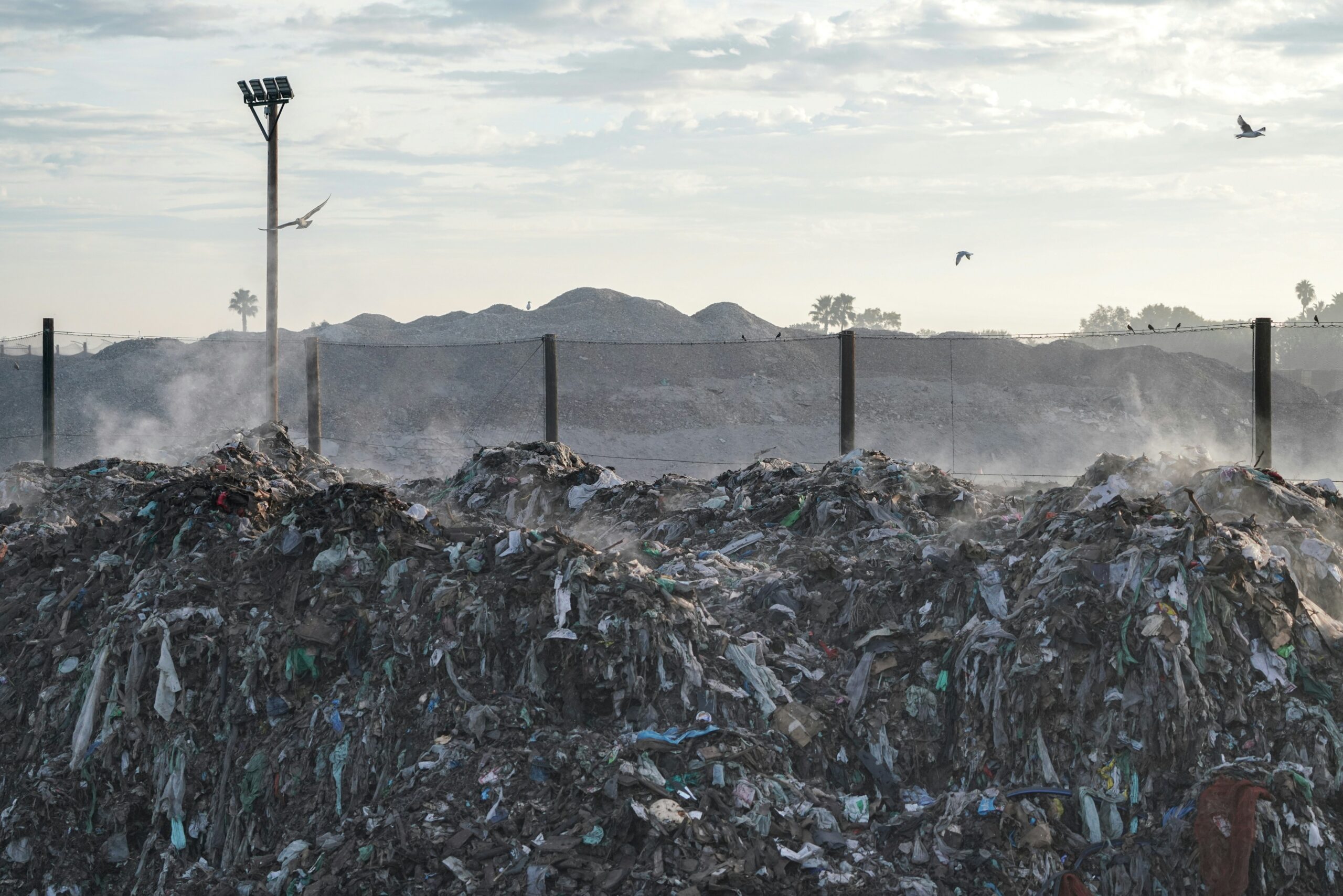
If you live in Keyport and you have watched neighbor after neighbor receive a cancer diagnosis, you are not imagining a pattern. Families along First Street and the surrounding blocks have been asking hard questions about the former Aeromarine landfill, and those questions deserve real answers. A Keyport landfill cancer lawyer can help you understand whether your illness may be connected to contamination from the site and what options you may have under New Jersey law.
This is a frightening situation, and the uncertainty can feel worse than the facts. You may be wondering whether the water was safe, whether your family was ever warned, and whether anyone is being held accountable. The purpose of this blog is to walk you through what has been reported, who appears to be affected, how our firm can help, and the practical steps you can take right now to protect your health and your legal rights.
If you or a loved one has been diagnosed with cancer after living near the Aeromarine landfill in Keyport, you do not have to sort through this alone. You can call our office at 973-845-4421 or reach us through the online contact form on our website to speak with a member of our team about a free and confidential consultation.
Keyport Cancer Cluster Investigation: What Actually Happened At The Aeromarine Landfill?
The Aeromarine site sits along the Raritan Bay shoreline in Keyport, in Monmouth County. Decades ago the property was used as a municipal and industrial dump, and it later operated as a landfill until state regulators forced it to shut down in 1979. According to reporting on the site, the New Jersey Department of Environmental Protection ordered the closure because of numerous operating and engineering deficiencies.
The problem, as residents and public officials describe it, is what happened after 1979. The landfill was never fully closed or remediated in the way modern environmental rules require. Reports indicate that large portions of the site lack proper capping and engineering controls, which can allow buried contaminants to move into groundwater, soil, and the air.
Testing has raised serious concern. A 2010 assessment by the New Jersey Department of Environmental Protection identified contaminants above safe groundwater levels. More recent investigation has pointed to a mix of hazardous substances associated with the property, including benzene, arsenic, polychlorinated biphenyls known as PCBs, vinyl chloride, heavy metals, and methane gas. Several of these substances are known or suspected to be linked to cancer in humans.
Enforcement has been slow and, according to public records, largely unpaid. Regulators issued an initial penalty in 2021 and later assessed additional fines that reportedly total close to 900,000 dollars against the current property owner. The Borough of Keyport also pursued legal action to force a cleanup. For many families, the pace of that response has felt painfully out of step with what they see happening in their own homes.
If any of this sounds familiar because it mirrors your own street or your own family, please know that help is available. You can call 973-845-4421 or use the online contact form on our website to talk through your situation with our team.
How Many People Are Affected By The Suspected Keyport Cancer Cluster?
One of the most alarming parts of this story is how quickly the number of reported illnesses has grown. What began as one resident’s informal count on a single street has expanded, as more neighbors have come forward, into one of the most closely watched suspected cancer clusters in New Jersey.
Public reporting and community mapping efforts have described the following:
- First Street cluster: The concern began when residents identified roughly 28 homes with cancer diagnoses on a single street near the site; this is the finding that first drew public and official attention in early 2026.
- A rapidly rising count: Early community counts put the total at around 40 cases across the surrounding blocks. As word spread and more residents reported their diagnoses, that number climbed sharply to nearly 200 by the spring of 2026, and, according to later reporting through the summer of 2026, to as many as 370 to 400 cases identified in and around the neighborhood.
- Official and congressional attention: Congressman Frank Pallone has called for both state and federal investigation of the site, pressing the U.S. Environmental Protection Agency to get involved alongside the state. In April 2026, the New Jersey Department of Health, under Health Commissioner Dr. Raynard Washington, confirmed that it had opened an investigation into the reported cases.
- Range of diagnoses: The reported cases include many different types of cancer affecting residents of different ages, rather than a single disease, a pattern that is part of what state health officials must sort through in any cluster review.
It is important to be careful and honest about what these numbers mean. The figures above come from residents’ own reporting and news coverage, and the totals have varied between sources as the count has grown. As of now, no agency has formally certified that the area meets the technical definition of a cancer cluster. Confirming a link between a specific illness and a specific source of contamination requires careful investigation and evidence, exactly the work the New Jersey Department of Health’s review is now undertaking, and exactly the kind of proof a legal claim would need to build carefully.
New Jersey Toxic Exposure Claims: How Can Our Firm Help If You Were Harmed?
When contamination from a landfill or industrial site is suspected of causing serious illness, the legal path forward is a form of toxic exposure or environmental injury claim. These cases are complex, and they turn on connecting a person’s diagnosis to a source of harmful chemicals through reliable evidence.
Our firm has represented injured people and grieving families across New Jersey since 1929, and we bring a focused, determined approach to exactly this kind of difficult case. Here is how a dedicated toxic exposure legal team can help you:
- Case evaluation: We review your medical history, your address history, and the timeline of your exposure to assess whether a claim may exist
- Investigation and evidence: We work to gather environmental testing data, agency records, ownership history, and the findings of any state or federal review of the site
- Medical and scientific support: We consult knowledgeable professionals who can help establish the connection between specific contaminants and specific illnesses
- Identifying responsible parties: We look at current and former property owners, operators, and any other party whose conduct may have contributed to the contamination
- Handling the process: We manage the filing, negotiation, and litigation so you can focus on your health and your family
No lawyer can promise a particular outcome, and we will always be straight with you about the strengths and challenges of your situation. What we can promise is that your case will be handled with care, honesty, and steady effort from a team that understands what is at stake for Monmouth County families.
First Moves For Anyone Worried About Contamination From The Aeromarine Site
Concern about a site like this can feel paralyzing, but there are concrete things within your control. Handling them early tends to pay off twice over: it looks after your wellbeing, and it quietly builds the record that any future case would rest on. Delay is the enemy here, not because anyone is rushing you, but because paperwork goes missing, recollections get fuzzy, and New Jersey law imposes hard cutoffs on when a case can be brought.
Put your health at the front of the line. Schedule a visit with a physician, be candid that you spent time living beside a contaminated dump, and ask which check-ups or diagnostic work they’d recommend for someone with that background. Beyond the obvious value of catching a problem early, a medical file that connects what you’re experiencing to where you lived becomes a cornerstone later on.
Next, map out your link to the property. How close was your home, and during which years? Think about the different ways contamination could have reached you. It may have come through the water you drank, contact with soil in your yard or garden, the air you breathed near the site, or simply living close by day after day. Jotting down these particulars while they’re still fresh gives you a far more useful account than one reconstructed from memory years down the road.
Then, become a careful keeper of documents. Set aside your treatment summaries, the invoices tied to your care, and anything a doctor has put in writing about your condition. Separately, follow the public story as it unfolds. Save the agency notices, municipal updates, and news reports covering the landfill and the pollution around it. That growing archive is often what turns a general worry into something a lawyer can actually work with.
Guard against one common misstep. Should anyone, including an owner, an insurer, a representative of any kind, ask you to put your name on a document or float a fast settlement, treat that as your cue to stop and get advice first. Offers that arrive early and easy usually serve the person making them.
When those pieces are in place, the last step is simply to talk it through with counsel. A short, pressure-free conversation is usually enough to sketch out your options and give you an honest read on whether a case is realistic.
Who Can Be Held Responsible For Toxic Landfill Contamination In New Jersey?
New Jersey takes environmental harm seriously, and the state has a long record of requiring those who pollute to answer for the damage they leave behind. In a situation like the one around the Aeromarine site, the law does not assume that fault rests with a single company or person. More than one party can share responsibility, and identifying each of them is a central part of building a case.
Depending on what an investigation turns up, the parties who could bear responsibility may include several different groups. The people or entities that own the land now, along with those who owned it in the past, are an obvious starting point. So are the companies that actually operated the dumping or disposal activities on the property. Responsibility can also reach further out, to outside businesses that shipped hazardous material to the site or otherwise added to the contamination. Sorting out who did what, and when, is exactly the kind of question a thorough legal investigation is designed to answer.
Timing deserves its own attention. New Jersey places firm limits on how long you have to file a personal injury or wrongful death claim, and in cases involving toxic exposure the clock is often tied to the point when someone learned, or reasonably should have realized, that an illness might be traced to the contamination. That rule sounds straightforward but can get complicated fast, which is why it is far better to consult a lawyer sooner than later. Once a deadline passes, even a strong claim can be lost for good.
It is also worth remembering that holding someone accountable is about more than a financial recovery, real and significant as the costs of serious illness are. It is a way of pushing for a genuine cleanup, of shielding the next household that settles onto the street, and of making sure a neighborhood along the Raritan Bay shoreline is not left shouldering a burden it did nothing to create.
Frequently Asked Questions About Keyport Landfill Cancer Claims
Is the Keyport cancer cluster officially confirmed?
Not yet, but residents have documented well over 100 cases, the New Jersey Department of Health opened an investigation in April 2026, and Congressman Frank Pallone has called for state and federal review. A Keyport landfill cancer lawyer can help you understand what it may mean for you.
What chemicals were found near the Aeromarine landfill in Keyport?
Reporting and testing have pointed to contaminants including benzene, arsenic, PCBs, vinyl chloride, heavy metals, and methane gas. A 2010 state assessment found contaminants above safe groundwater levels near the Monmouth County site.
Do I have a case if I lived near the landfill and developed cancer?
Possibly. Toxic exposure claims depend on your diagnosis, your exposure history, and the available evidence linking the two. The best way to find out is a free consultation with a New Jersey toxic exposure lawyer.
How much does it cost to talk to a lawyer about this?
Our consultations are free and confidential, and injury cases like these are typically handled on a contingency basis, which means you generally pay no attorney fee unless there is a recovery.
How long do I have to file a claim in New Jersey?
New Jersey sets strict deadlines for injury and wrongful death claims, and the clock can depend on when the connection to the contamination became known. Because timing is complicated, you should speak with a lawyer as soon as possible.
Talk To A Keyport Landfill Cancer Lawyer Today
The families near the Aeromarine landfill did not choose to live next to a source of contamination, and they should not have to face the consequences without answers or support. If you or someone you love has been diagnosed with cancer after living in Keyport or the surrounding Monmouth County neighborhoods, you deserve a clear explanation of your rights and a team that will fight for accountability.
Our firm is ready to listen, to investigate, and to stand with you. Call us today at 973-845-4421 or reach out through the online contact form on our website to schedule your free and confidential consultation. There is no obligation, and there is no fee unless we recover for you. Let us help you take the first step toward answers.
Disclaimer: This blog is intended for informational purposes only and does not establish an attorney-client relationship. It should not be considered as legal advice. For personalized legal assistance, please consult our team directly.