By Blume Forte Attorneys at Law
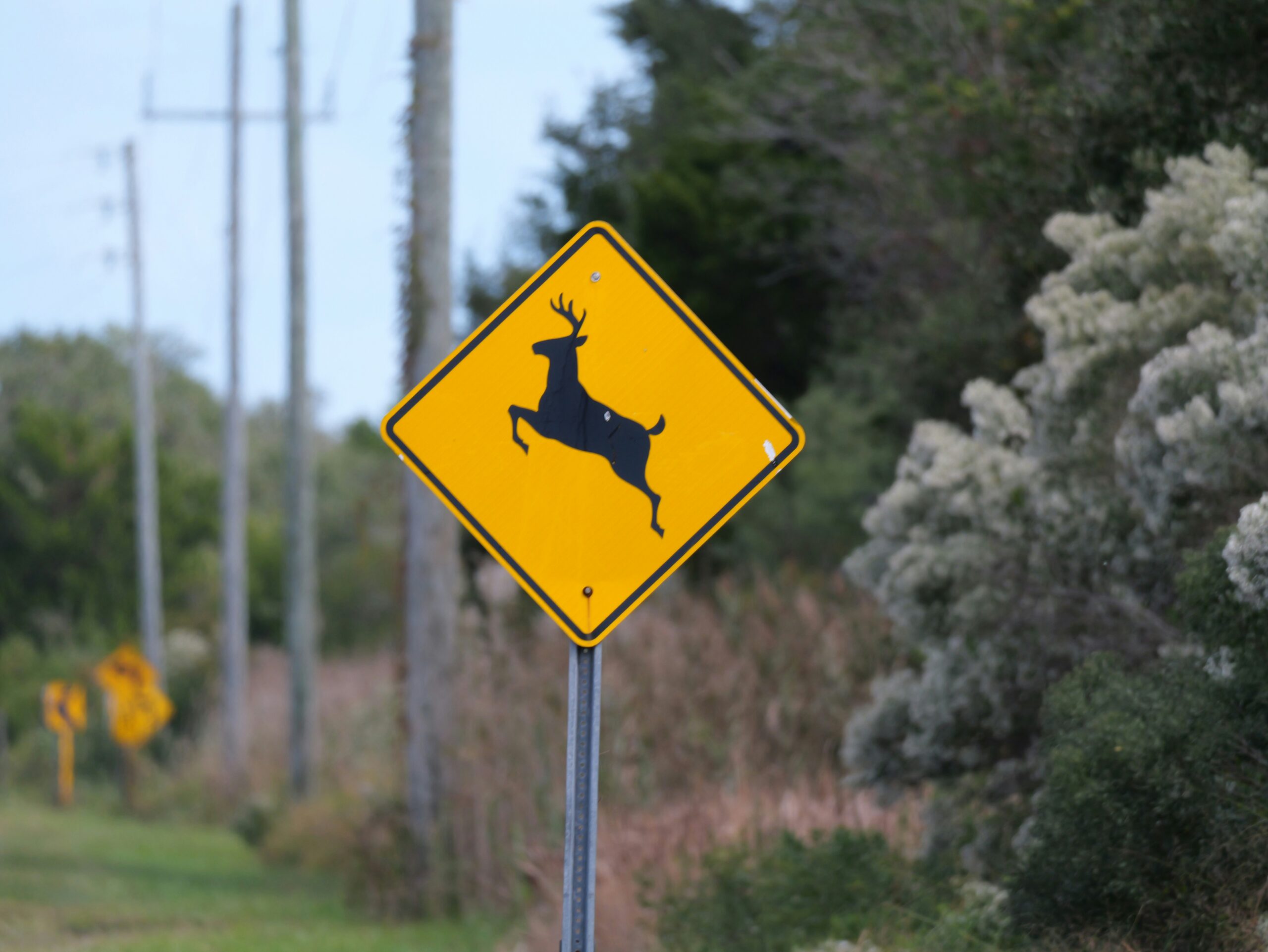
It happens in a second. You are driving home on a dark November evening, your headlights sweep across the tree line, and a deer bolts out of the brush and into your lane. Whether you hit the animal or swerve to miss it, you may be left shaken, hurt, and unsure who will pay for any of it.
If you were injured in a New Jersey deer crash, you are far from alone, and you may have more options than you realize. Some of these collisions involve only a driver and an animal. Others involve a second vehicle, a chain-reaction crash, or a safety system that did not work the way it should have.
Our team at Blume Forte Attorneys at Law helps injured drivers and passengers throughout the Garden State understand their insurance coverage and their legal options after serious crashes. Call our office at 973-845-4421 or fill out our online contact form to talk with us about what happened and what you can do next.
New Jersey Deer Crash Statistics: Why Is November The Most Dangerous Month To Drive?
Deer crashes in the state are rising, not leveling off. According to state crash data analyzed by AAA Northeast, New Jersey recorded 11,692 deer crashes in 2025. That set a new record, up nearly 2% from the previous record set in 2024.
Over the six years from 2020 through 2025, deer crashes in New Jersey totaled 64,780. More than 4,252 of those crashes caused an injury, and 15 were fatal. Those numbers include drivers who struck a deer directly and drivers who crashed while trying to avoid one.
Timing plays a major role. More than 43% of these crashes happened between September and November, when white-tailed deer are in their mating season, known as the rut. November alone accounted for 20% of all deer crashes, and AAA found that drivers are nearly three times more likely to be involved in a New Jersey deer crash in November than in any other month.
The problem reaches well beyond the Garden State. The National Highway Traffic Safety Administration reports more than 1.5 million crashes involving live animals nationwide from 2020 through 2024, with more than 155,000 resulting in injuries and 948 resulting in deaths. Dawn and dusk are especially risky because deer are most active during the same hours many people commute to and from work.
Swerving To Avoid A Deer: Why Can A Split-Second Reaction Lead To More Serious Injuries?
When a deer appears in your headlights, your instinct is to jerk the wheel. It feels like the safest choice, but New Jersey crash data tells a different story. When drivers struck a deer directly, injuries were reported in about 4.5% of crashes from 2020 through 2025.
When drivers swerved and hit another vehicle, a tree, a pole, a guardrail, or another object, the injury rate climbed to more than 27%. A swerve can send a car across the center line, off the shoulder, or into a fixed object at highway speed.
These swerving crashes are also where a deer collision injury becomes a more complicated legal matter. Once a second vehicle or a third party is involved, questions about fault, insurance coverage, and compensation come into play.
Deer Collision Injury Claims: Who May Be Responsible When An Animal Starts The Crash?
Wild deer do not belong to anyone, so you cannot bring a claim against the animal or the landowner whose woods it came from. However, a deer is often only the first link in a chain of events. In many cases, a person’s careless choices turn a close call into a serious crash.
Responsibility for a deer collision injury may involve:
- Another driver’s speed: A speeding driver has less time to stop when a deer enters the road
- Following too closely: A tailgating driver can rear-end you when you brake for a deer
- Distracted driving: A driver looking at a phone may plow into vehicles that have already stopped
- Unsafe swerving: A driver who veers into oncoming traffic may share fault for the collision
- Vehicle defects: Faulty airbags, seat belts, brakes, or tires can make injuries much worse
Passengers have their own rights as well. If you were riding with someone who was speeding or distracted when the deer appeared, you may be able to pursue a claim against that driver’s insurance, even if the driver is a friend or family member.
Airbag And Seat Belt Failures After Hitting A Deer: Could A Vehicle Defect Have Made Your Injuries Worse?
Modern vehicles are designed to protect you in sudden, violent impacts. When a crash is severe enough that an airbag should deploy and it does not, or a seat belt unlatches or fails to lock, an otherwise survivable collision can cause life-changing harm. Defective tires, brakes, and electronic stability control systems can also affect whether you can stop or keep control when a deer runs into your path.
The vehicle itself is often the most important piece of evidence, so do not let an insurance company salvage or repair it until someone has had a chance to inspect it. Attorney Harris S. Feldman at our firm focuses on auto product defect claims and can review whether a vehicle safety failure played a role in your injuries.
Car Accident Lawyer In New Jersey: What Should You Do Right After Hitting A Deer?
If you are able to, keep these steps in mind after a crash:
- Move to safety: Pull onto the shoulder, turn on your hazard lights, and stay clear of traffic
- Call the police: Report the crash so officers can document the scene and any injuries
- Leave the deer alone: An injured deer can kick or thrash and cause serious harm
- Get medical care: A deer collision injury like a concussion or whiplash may not show symptoms right away
- Take photos: Capture vehicle damage, road conditions, and skid marks when it is safe to do so
- Collect information: Get names, phone numbers, and insurance details from drivers and witnesses
- Notify your insurer: Report the crash promptly, but avoid giving a recorded statement before getting advice
New Jersey law requires drivers to report crashes that cause injury, death, or more than $500 in property damage, and a deer crash can easily meet that threshold. A police report also gives you an official record of where and how the crash happened, which can matter later if fault is disputed.
New Jersey Insurance Rules After A Deer Crash: How Do PIP Benefits And Your Lawsuit Option Affect Your Claim?
New Jersey is a no-fault insurance state. That means your own Personal Injury Protection, often called PIP, pays your medical bills after a car crash no matter who caused it. If you hit a deer on your own, PIP benefits are usually the first source of payment for your treatment, up to the coverage amount you chose on your policy.
Damage to your car is a separate issue. Hitting an animal generally falls under comprehensive coverage. If you swerved and struck a guardrail, a tree, or another car, your insurer may treat it as a collision claim instead, which can affect your deductible.
Your ability to recover compensation for pain and suffering depends on the lawsuit option you selected on your auto policy:
- Limitation on lawsuit: You must show a qualifying injury, such as a permanent injury or displaced fracture
- No limitation on lawsuit: You can pursue pain and suffering damages for any injury caused by another’s negligence
New Jersey also follows a comparative fault rule. You can still recover damages as long as your share of the blame is not greater than the other party’s, but your award is reduced by your percentage of fault. Most personal injury claims must be filed within two years of the crash, and claims involving a public entity, such as a crash tied to a dangerous road condition, have a much shorter notice deadline of 90 days. A car accident lawyer in New Jersey can help you track these deadlines so your claim is not lost on a technicality.
Deer Crashes In Monmouth County And Central Jersey: Where Are Drivers Most At Risk?
AAA Northeast’s county rankings put Monmouth County at the top with 1,300 crashes, followed by Burlington, Morris, and Somerset counties. Middletown, Wall, and Howell townships all landed in the top 10 municipalities, which means drivers on the Garden State Parkway and Route 35 near the Jersey Shore should stay especially alert this fall.
Raritan Township in Hunterdon County had more deer crashes than any other New Jersey municipality, and Bridgewater and Hillsborough townships in Somerset County were close behind. Commuters on Route 202 and I-287 pass through some of these hot spots every day. In Morris County, near our Chatham office, the mix of parkland, wooded neighborhoods, and roads like Route 24 creates similar risks.
South Jersey drivers face the same danger. Mount Laurel in Burlington County and Manchester and Jackson townships in Ocean County all ranked in the top 10, with deer often crossing near the edges of the Pine Barrens. No matter where your New Jersey deer crash happened, the same insurance rules and deadlines apply.
Deer Crash Questions In New Jersey: What Do Injured Drivers And Passengers Ask Most Often?
Does insurance cover a New Jersey deer crash?
Usually, yes. Your PIP coverage pays medical bills regardless of fault, and comprehensive coverage generally pays for vehicle damage from hitting a deer. If you swerved and hit something else, the claim may fall under collision coverage instead.
Can I file a deer collision injury claim if no other car was involved?
Possibly. A deer collision alone does not automatically establish grounds for a personal injury lawsuit. However, if someone else’s negligence contributed to the crash, you may have a claim. For example, an injured passenger may have a case if the driver was speeding or distracted when the deer appeared. The circumstances of the accident will determine whether you can pursue a claim.
Is it safer to hit the deer or swerve?
New Jersey crash data shows that injuries were far more common when drivers swerved than when they struck the deer directly. AAA recommends applying the brakes if a collision cannot be avoided, which can lessen the force of the impact.
How long do I have to file a claim after a New Jersey deer crash?
Most personal injury claims in New Jersey must be filed within two years. If a government agency may share responsibility, you generally must file a notice of claim within 90 days.
When should I call a car accident lawyer in New Jersey after hitting a deer?
It is wise to call soon after the crash, especially if you were hurt, another vehicle was involved, or your safety equipment failed. Early guidance can help protect evidence and your right to compensation.
Talk To A Car Accident Lawyer In New Jersey: How Can Blume Forte Help After A Deer Collision?
A New Jersey deer crash can leave you dealing with medical appointments, a damaged car, lost time at work, and insurance adjusters asking questions you may not know how to answer. You do not have to sort through it alone. Our team can review your coverage, look into whether another driver or a vehicle defect played a role, and explain your options in plain terms.
Blume Forte Attorneys at Law has offices in Chatham, Jersey City, Sea Girt, and North Bergen, and we help injured clients across New Jersey. Call our office today at 973-845-4421 or reach out through our online contact form to schedule a consultation and start getting answers.
Disclaimer: This blog is intended for informational purposes only and does not establish an attorney-client relationship. It should not be considered as legal advice. For personalized legal assistance, please consult our team directly.