By the New Jersey Workplace Injury and Workers’ Comp Team at Blume Forte Attorneys at Law
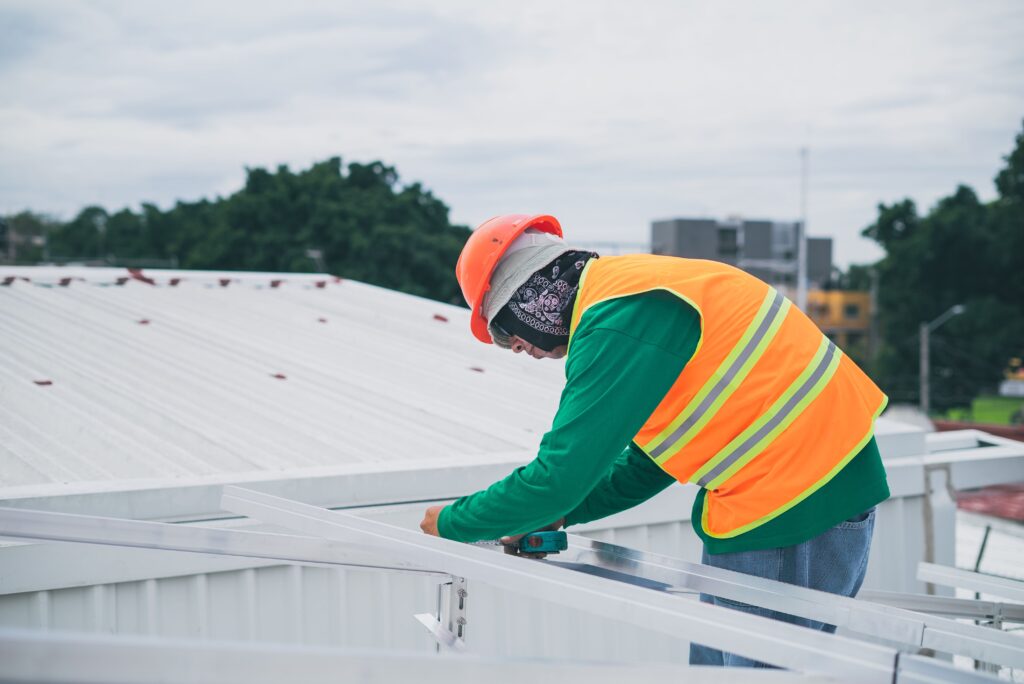
By late morning in August, a New Jersey roof can feel like a stovetop. The shingles bake, the air stops moving, and shirts soak through before lunch. Then a crew member goes quiet, stops sweating, gets confused, or drops to one knee. In that moment, heatstroke on a roofing crew stops being a rough workday and turns into a medical emergency, and often a legal one too.
If that has happened to you or someone you love, you are probably juggling hospital bills, missed paychecks, and a lot of worry about what comes next. A NJ workers’ comp claim may cover your medical care and part of your lost wages after a job-related heat illness. In some cases, when an outside company helped create the danger, you may also have a third-party claim that reaches losses workers’ comp leaves on the table.
You do not have to figure this out alone. To talk through what happened and what your options are, call Blume Forte Attorneys at Law at 973-845-4421 or send a message through the online contact form. A short conversation can help you understand where you stand before insurance decisions or deadlines narrow your choices.
NJ Workers’ Comp Claim: Can Heatstroke Count As A Work Injury?
A NJ workers’ comp claim can cover heat illness when the injury arises out of and in the course of employment. In plain terms, if the job put the worker in dangerous heat and that heat caused the illness, workers’ compensation may apply.
New Jersey workers’ compensation is a no-fault system, so an injured roofer generally does not have to prove the employer did anything wrong, aside from narrow exceptions like a self-inflicted injury or intoxication. Even if a supervisor later says the worker should have taken more breaks, the claim can still move forward.
After heatstroke, New Jersey workers’ compensation may provide several kinds of help:
- Medical treatment: Emergency care, ambulance transport, hospital stays, testing, and follow-up care for the heart, kidneys, brain, and nervous system
- Temporary disability: Partial wage replacement while a doctor keeps the worker off the job
- Permanent disability: Compensation when heatstroke leaves lasting impairment or work restrictions
- Death benefits: Support for dependents when a heat illness turns fatal
Workers should not assume the insurance company will make this easy. Heat illness can be disputed because symptoms may start small, get worse fast, or look like dehydration, a medication problem, or a heart condition. That is why timing matters. Report the injury, get medical care, and clearly tell every provider that the symptoms began during roofing work in the heat.
Similar Post: Work Injury Due to Third-Party Negligence? Here’s How to Get the Compensation You Deserve
Heatstroke On A Roofing Crew: What Warning Signs Should Never Be Ignored?
Heatstroke on a roofing crew should never be brushed off as ordinary tiredness. OSHA treats confusion, slurred speech, seizures, and loss of consciousness as signs of a medical emergency. When those appear, OSHA says to call 911 right away, cool the worker with water or ice, and stay with them until help arrives.
Other heat illness symptoms can build before an emergency hits:
- Headache: A dull or pounding ache that will not ease with rest
- Nausea: Queasiness or vomiting on the job
- Dizziness: Lightheadedness or trouble keeping balance
- Heavy sweating: Soaked clothing that can suddenly stop as the body fails to cool
- Hot, dry skin: Flushed skin with little or no sweat
- Muscle cramps: Painful tightening in the legs, arms, or stomach
- Weakness: Fatigue or a drop in energy that does not match the workload
On a roof, these symptoms carry a second danger. A dizzy or confused worker can fall from a ladder, scaffold, roof edge, or skylight, so a heat illness can quickly become both a medical crisis and a serious construction accident. Crews should watch newer workers most closely, since OSHA notes that many outdoor heat deaths happen during a worker’s first few days on the job, before the body adjusts to the heat.
Roofing Heat Injury: Why Do Roofers Face Higher Risk In New Jersey Summers?
A roofing heat injury happens because roofers work where heat piles up. Dark shingles, tar, metal flashing, direct sun, steep slopes, heavy materials, and little shade push the body past its limits. Add long shifts, protective gear, and pressure to finish before a storm, and the risk climbs fast on job sites from Newark and Jersey City to the Jersey Shore.
OSHA’s guidance tells employers to plan for heat, protect new workers, and remember the basics of water, rest, and shade. For roofing crews, reasonable steps often look like this:
- Schedule smart: Move the heaviest work to the cooler morning hours
- Rotate the crew: Share demanding tasks so no one bakes on the roof all day
- Keep water close: Place cold water right at the roof access point
- Build in shade: Require rest breaks in shade, a cool vehicle, or air conditioning
- Train supervisors: Teach crew leaders to spot heat illness early
- Make a plan: Set an emergency response before anyone collapses
There is a timely legal backdrop here too. OSHA proposed a federal heat injury and illness prevention standard in 2024 (Federal Register, Aug. 30, 2024), but as of the summer of 2026 that rule is still not finalized and has no set date for final action (OSHA rulemaking page; status update, 2026). Even so, employers must provide a workplace free from recognized hazards likely to cause serious harm, so ignoring extreme heat can still put a company on the wrong side of the law.
Third-Party Workplace Claim: Who Else Might Be Responsible Besides Your Employer?
A third-party workplace claim asks whether someone other than your direct employer helped cause the injury. This matters because workers’ comp usually limits what you can recover from your employer, while a separate case against an outside party may reach damages that comp does not cover, including pain and suffering.
On a busy roofing project, several companies may share control of the site:
- General contractor: A company that controlled the schedule, the pace, and site safety
- Property owner: An owner that pushed for unsafe work during a heat advisory
- Subcontractor: A crew that blocked access to shade, water, or a safe exit
- Staffing company: A firm that sent untrained workers onto a dangerous roof
- Equipment maker: A manufacturer of defective safety gear or a faulty ladder
Here is the friend-to-friend version. Workers’ comp is often the first door, but it is not always the only one. If your crew worked on a commercial building in Jersey City, a warehouse in Edison, or a project along the Garden State Parkway, more than one company may have had a hand in how safe the day was. You can often pursue workers’ comp and a third-party case at the same time, though some comp benefits may need to be repaid out of a third-party recovery.
Construction Accident In New Jersey: When Does Heat Lead To A Separate Injury Claim?
A construction accident in New Jersey can begin with heat illness and end with something far worse. A roofer who gets dizzy may fall from a ladder, and a worker who grows confused may step through an unsecured skylight. In those cases, the claim may involve both the heat illness and the traumatic injury that followed.
A few examples show how this plays out:
- A fall through an opening: A worker faints on a roof in Elizabeth and drops through an unguarded hole
- A ladder failure: A disoriented roofer in Paterson falls from a defective ladder
- No cooling area: A crew member in Camden collapses on a flat roof with no shade, water, or emergency plan
These examples do not prove a case on their own. What they show is why a good investigation looks past the workers’ comp form. Heat exposure, fall protection, supervision, scheduling, and who controlled the site can all matter when a roofer is seriously hurt.
Injured Roofer In New Jersey: What Evidence Helps, And How Long Do You Have?
An injured roofer in New Jersey should try to preserve evidence as soon as possible. Heat cases get harder when an employer or insurer claims the worker simply had a personal medical issue or failed to drink enough water. Good documentation is the strongest answer to that argument.
Helpful evidence often includes:
- Job details: The date, time, and location of the work
- Weather records: The temperature and heat index for that day
- Photos: Images of the roof, materials, and any shade or water access
- Messages: Texts about heat, breaks, scheduling, or symptoms
- Witnesses: Names of coworkers who saw what happened
- Medical records: Ambulance, emergency room, and hospital records, plus any work restrictions
- Site paperwork: Safety plans, training records, timesheets, and contractor information
Timing counts here as well. In most cases, an injured worker in New Jersey has two years to file a formal workers’ comp claim. That two-year window generally runs from the date of the injury, or, if the insurer has already been paying benefits, from the date of the last payment. That second point is easy to miss, and it is one reason waiting for the insurance company to stop your checks can be a costly mistake. Because these deadlines can get complicated fast, it is smart to get advice early rather than after care is denied or benefits run out.
Similar Post: Your Employer Ignored Safety Rules, Now You Are Injured: What Comes Next In New Jersey?
Workplace Injury Lawyer In New Jersey: How Can Blume Forte Attorneys At Law Help?
A workplace injury lawyer in New Jersey can help you untangle the overlapping parts of a heat case, from the workers’ comp claim to possible third-party liability, medical evidence, and long-term losses. Blume Forte Attorneys at Law represents injured workers and families across the state in construction accidents, workplace accidents, and other serious injury cases, with offices in Chatham, Jersey City, North Bergen, and Sea Girt that reach North Jersey, Central Jersey, South Jersey, and the Shore.
A careful review can help answer the questions that shape your next step:
- Cause: Did the heat illness happen because of the roofing work
- Coverage: Did the employer or insurer accept the NJ workers’ comp claim
- Site control: Did another contractor or owner control the pace, breaks, or conditions
- Lasting harm: Did heatstroke leave permanent restrictions that limit outdoor work
- Extra claims: Can you pursue both workers’ compensation and a third-party claim
Those answers can be the difference between a claim that scratches the surface and one that accounts for the full weight of a serious heat injury on a working life.
FAQs About Heatstroke, Roofing Crews, And NJ Workers’ Comp Claims
Can I File for Workers’ Comp If I Got Heatstroke While Roofing?
Yes. A NJ workers’ comp claim may cover heatstroke when the heat illness arose out of and in the course of your roofing work. Report the injury, get medical care, and document the heat exposure.
What Heat Stroke Symptoms Need Emergency Help?
Call 911 when a worker shows confusion, slurred speech, seizures, loss of consciousness, hot dry skin, or a very high body temperature. OSHA treats these as medical emergencies.
Can A New Worker Still Get Benefits After a Roofing Heat Injury?
Yes. A roofing heat injury can qualify even if you were new. OSHA notes that many outdoor heat deaths happen in a worker’s first few days, before the body adjusts to the heat.
Can I Sue Someone Other Than My Employer After a Workplace Injury?
Possibly. A third-party workplace claim may be available when a general contractor, property owner, subcontractor, or equipment maker helped create the dangerous conditions.
When Should I Call A Lawyer Following a Roofing Accident?
As soon as you can, especially if you were hospitalized, missed work, developed lasting symptoms, fell, or believe another company made the job unsafe.
Talk To Blume Forte Attorneys At Law After Heatstroke On A Roofing Crew
Heatstroke on a roofing crew can change everything in a single afternoon. You may start the day trying to finish a roof and end it in an ambulance or a hospital bed. Then the insurance company may question the claim, the employer may downplay the heat, and no one may explain whether another company also shares the blame.
Blume Forte Attorneys at Law helps injured workers and their families across New Jersey understand what comes after a serious workplace injury. Whether your roofing heat injury happened in Newark, Jersey City, Elizabeth, Paterson, Camden, or anywhere else in the state, the firm can review your NJ workers’ comp claim and look at whether a third-party workplace claim may also apply. To get started, call Blume Forte Attorneys at Law at 973-845-4421 or reach out through the online contact form to discuss your options after heat illness at work.
Disclaimer: This blog is intended for informational purposes only and does not establish an attorney-client relationship. It should not be considered as legal advice. For personalized legal assistance, please consult our team directly.