By Blume Forte Attorneys at Law
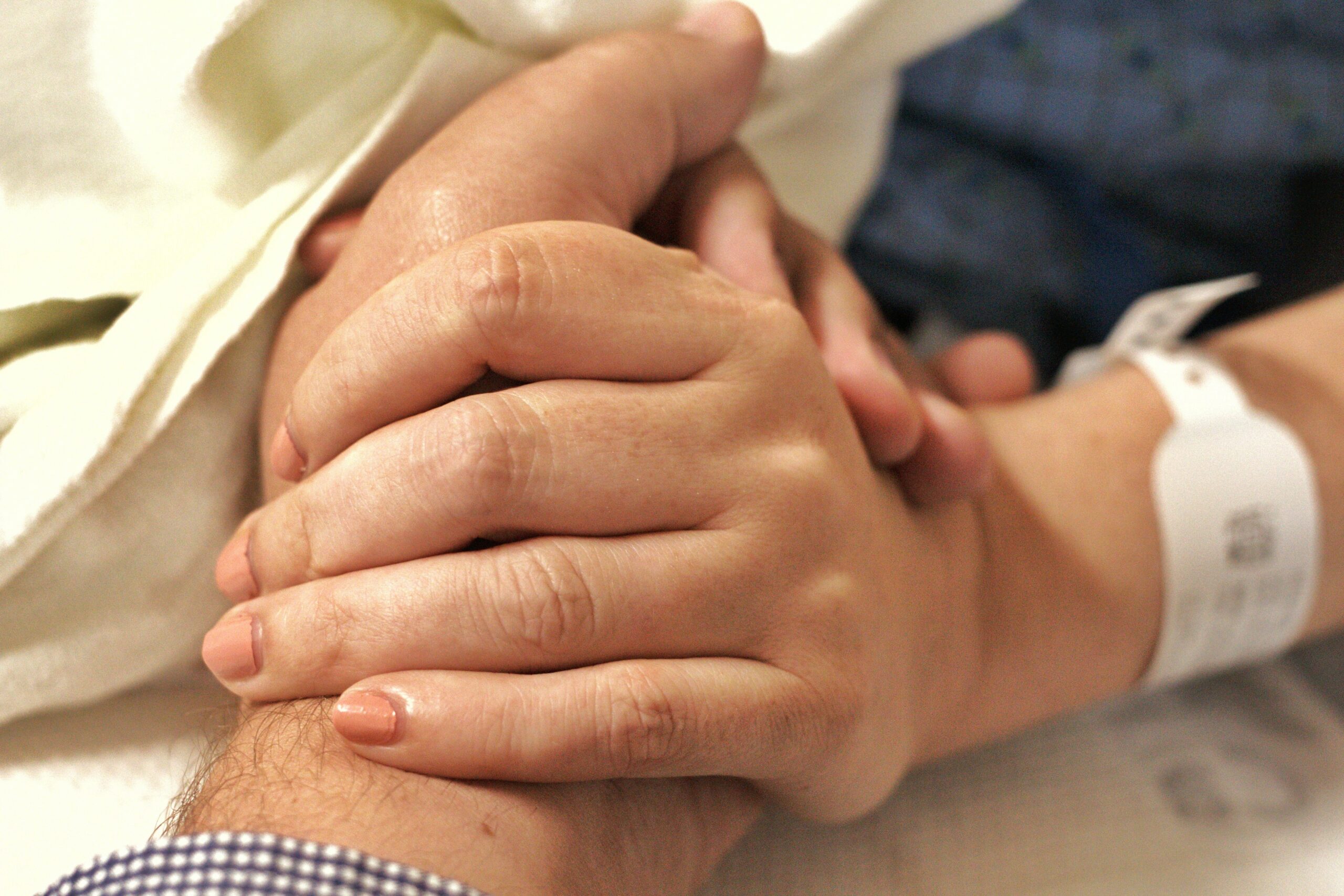
When you go to a doctor with exhaustion, unexplained bruising, frequent infections, weight loss, or ongoing pain, you expect that doctor to take your symptoms seriously. However, leukemia symptoms can sometimes look like less serious conditions, which means a missed or delayed diagnosis can happen when a provider fails to order the right tests, follow up on abnormal bloodwork, or refer you to the right physician. In New Jersey, doctors can be liable for missing leukemia symptoms when their actions fall below accepted medical standards and the delay causes harm.
Leukemia can progress quickly, especially acute forms of the disease. As a result, days, weeks, or months without proper diagnosis may affect treatment options, prognosis, pain, medical costs, and a family’s future. Common leukemia symptoms may include persistent fatigue, fever or chills, frequent infections, unexplained weight loss, swollen lymph nodes, easy bleeding or bruising, recurrent nosebleeds, night sweats, and bone pain.
If you believe a doctor, hospital, urgent care center, emergency department, or other healthcare provider missed signs of leukemia in New Jersey, contact Blume Forte Attorneys at Law by phone at 973-845-4421 or through the online contact form to discuss what happened and whether you may have a medical malpractice claim.
Missed Leukemia Symptoms In New Jersey: When Can A Doctor Be Held Liable?
A doctor does not automatically become liable just because they did not diagnose leukemia at the first appointment. Medicine often requires testing, follow-up, and careful review of changing symptoms. However, liability may exist when a reasonably careful healthcare provider would have recognized red flags, ordered additional testing, reviewed abnormal results, or referred the patient for further evaluation.
In a missed leukemia diagnosis case, the key question usually becomes whether the provider acted the way another reasonably careful provider would have acted under similar circumstances. For example, a primary care doctor may need to respond differently when a patient reports fatigue alone than when that same patient also has unexplained bruising, repeated infections, abnormal blood counts, or enlarged lymph nodes.
A missed leukemia case may involve:
- Failure to order bloodwork: A provider ignores symptoms that should have led to a complete blood count or additional testing
- Failure to review abnormal results: A lab report shows concerning white blood cell, platelet, or red blood cell findings, but no one follows up
- Failure to refer: A provider does not send the patient to a hematologist, oncologist, or emergency department when symptoms suggest a serious blood disorder
- Failure to communicate: A doctor, office, or hospital does not tell the patient about abnormal findings or urgent next steps
- Failure to reassess: A provider keeps treating symptoms as minor despite repeated visits, worsening symptoms, or new warning signs
These failures matter because leukemia often affects blood cell production. Therefore, abnormal bloodwork may offer one of the clearest signs that a deeper investigation is necessary.
Delayed Leukemia Diagnosis: How Can A Missed Diagnosis Harm A Patient?
A delayed leukemia diagnosis can create serious consequences because treatment often depends on timing. When a doctor misses symptoms, the patient may lose time that could have been used for additional testing, hospital care, chemotherapy, targeted therapy, transfusions, infection treatment, or other medical intervention.
A delay may cause harm by allowing the disease to progress. It may also leave the patient vulnerable to infections, bleeding complications, severe anemia, organ stress, or hospitalization that might have been avoided with earlier care.
In some cases, the delay affects survival. In others, it may affect the intensity of treatment, the length of hospitalization, the patient’s pain, or the family’s financial losses. Because every case depends on the specific type of leukemia and the patient’s medical history, these claims often require a careful review of records, lab reports, imaging, pathology, treatment timelines, and provider notes.
Blume Forte has handled medical malpractice cases involving failure to diagnose leukemia, including a reported settlement involving a delayed leukemia diagnosis and wrongful death claim. Past results do not predict future outcomes, but this history shows why missed cancer diagnosis cases require detailed medical and legal review.
New Jersey Medical Malpractice Claims: What Must You Prove After Missed Leukemia Symptoms?
To bring a medical malpractice claim in New Jersey, you generally must prove that a healthcare provider failed to meet the accepted standard of care and that this failure caused injury. In a missed leukemia case, this usually means showing that the provider should have recognized warning signs, taken additional steps, and diagnosed or referred the patient sooner.
A successful claim may require proof of four major points:
- Duty: The doctor, hospital, or healthcare provider had a provider-patient relationship
- Breach: The provider failed to act with reasonable medical care under the circumstances
- Causation: The missed diagnosis or delay caused harm that likely could have been reduced or avoided
- Damages: The patient suffered losses such as medical bills, pain, disability, lost income, reduced survival chances, or wrongful death damages
Causation often becomes the hardest part of a delayed leukemia diagnosis case. The provider may argue that the outcome would have been the same even with an earlier diagnosis. Therefore, the case may depend on hematology, oncology, pathology, and treatment timeline evidence.
New Jersey Statute Of Limitations: How Long Do You Have To File A Missed Leukemia Claim?
New Jersey generally requires personal injury claims, including many medical malpractice claims, to be filed within two years after the claim accrues.
However, missed diagnosis cases can raise complicated deadline questions because the patient may not know right away that malpractice occurred. In some cases, New Jersey’s discovery rule may affect when the clock starts. That issue depends heavily on when the patient knew, or reasonably should have known, that they may have been harmed by medical negligence.
If the missed leukemia diagnosis led to death, New Jersey’s wrongful death statute generally requires the claim to be filed within two years after the date of death.
Because these deadlines can become complicated quickly, you should not wait to ask questions. Medical records take time to collect and review. Additionally, a lawyer may need to consult qualified medical professionals before filing.
Hospital And Doctor Errors: Who May Be Responsible For Missing Leukemia?
More than one provider may contribute to a delayed leukemia diagnosis. Depending on the facts, a claim may involve a primary care doctor, urgent care provider, emergency room physician, nurse practitioner, physician assistant, radiologist, pathologist, hospital system, laboratory, or office staff member.
For example, liability may involve:
- Primary care offices: Symptoms continue for weeks or months, but the provider does not order basic bloodwork
- Urgent care centers: The patient receives treatment for infection without proper follow-up despite repeated visits
- Emergency departments: Abnormal labs appear in the chart, but the patient gets discharged without meaningful explanation
- Hospitals: Communication failures prevent urgent findings from reaching the patient or treating physician
- Laboratories: Test results are delayed, mishandled, or not properly reported
Often, the problem is not one single mistake. Instead, the case may involve a chain of missed chances. Therefore, a full review should look at every provider who saw the patient before the diagnosis.
Medical Records In New Jersey: What Should You Gather After A Missed Leukemia Diagnosis?
If you suspect a doctor missed leukemia symptoms, gather as much information as possible. Medical malpractice cases depend on timelines, records, and details. Even small notes can matter.
Helpful records may include:
- Primary care records: Office visit notes, symptom complaints, diagnoses, and follow-up instructions
- Urgent care records: Visit summaries, prescriptions, discharge papers, and referral notes
- Emergency room records: Lab reports, imaging, triage notes, discharge instructions, and physician notes
- Bloodwork results: Complete blood counts, platelet levels, white blood cell counts, red blood cell counts, and abnormal flags
- Specialist records: Hematology, oncology, pathology, biopsy, bone marrow testing, and treatment plans
- Communication records: Portal messages, phone logs, voicemails, letters, and test result notifications
You should also write down the timeline while it is fresh. Include when symptoms started, which providers you saw, what each provider said, whether tests were ordered, when abnormal results appeared, and when leukemia was finally diagnosed.
What Damages Can New Jersey Families Recover After a Delayed Leukemia Diagnosis?
A delayed leukemia diagnosis can leave patients and their families facing significant medical expenses, financial uncertainty, and emotional distress. When a healthcare provider’s negligence causes additional harm, patients may have grounds to pursue compensation for losses such as medical bills, future treatment costs, lost income, reduced earning capacity, pain and suffering, disability, and emotional distress.
If a delayed diagnosis contributes to a patient’s death, surviving family members may also have grounds to pursue a wrongful death claim. Under New Jersey law, eligible survivors may seek compensation for certain financial losses, including lost financial support and the value of services their loved one would have provided.
Whether the delayed diagnosis occurred at a primary care office, urgent care center, or hospital in Newark, Jersey City, Paterson, or elsewhere in New Jersey, the central question is whether a healthcare provider failed to recognize or investigate warning signs that a reasonably careful provider should have addressed. Families must also establish that the delay caused additional harm, rather than simply showing that a diagnosis occurred later than expected.
Medical Malpractice Lawyer In New Jersey: How Blume Forte Attorneys At Law Reviews Missed Leukemia Cases
A missed leukemia symptoms case requires a detailed approach. Blume Forte Attorneys at Law represents injured patients across New Jersey in medical malpractice matters and offers free consultations for potential clients. The firm has an on-site, full-time physician and two registered nurses who assist the legal team with medical issues.
That type of medical review can matter in a delayed diagnosis case because the legal claim must connect the provider’s conduct to the patient’s harm. A strong review may examine what symptoms were reported, what tests were ordered, what results showed, whether follow-up occurred, whether referrals were made, and whether earlier diagnosis could have changed the outcome.
FAQ: Can Doctors Be Liable For Missing Leukemia Symptoms In New Jersey?
Can A Doctor Be Liable For Missing Leukemia Symptoms In New Jersey?
Yes. A doctor may be liable if they failed to act with reasonable medical care, missed signs that should have led to further testing or referral, and caused harm because of the delay.
What Leukemia Symptoms Are Commonly Missed?
Commonly missed symptoms may include fatigue, frequent infections, bruising, bleeding, nosebleeds, night sweats, weight loss, swollen lymph nodes, shortness of breath, pale skin, and bone pain. These symptoms may overlap with other conditions, so doctors must evaluate the full clinical picture.
Is A Missed Leukemia Diagnosis Always Medical Malpractice?
No. A missed diagnosis is not always malpractice. However, it may become malpractice when a healthcare provider ignores warning signs, fails to order appropriate tests, overlooks abnormal results, or delays referral without a reasonable basis.
How Long Do I Have To File A New Jersey Medical Malpractice Claim?
Many New Jersey medical malpractice claims must be filed within two years, although missed diagnosis cases may involve discovery rule issues. Wrongful death claims generally must be filed within two years after the date of death.
What Should I Do If I Think A Doctor Missed Leukemia?
Start by requesting your medical records, lab results, hospital records, and referral notes. Then speak with a New Jersey medical malpractice lawyer as soon as possible so the records can be reviewed before important deadlines pass.
Contact Blume Forte Attorneys At Law About Missed Leukemia Symptoms In New Jersey
A delayed leukemia diagnosis can leave you with painful questions. You may wonder whether the doctor should have ordered bloodwork sooner, whether abnormal results were ignored, or whether earlier treatment could have changed what happened. Those questions deserve careful answers.
Blume Forte Attorneys at Law helps New Jersey patients and families evaluate medical malpractice claims involving missed diagnosis, delayed diagnosis, and serious medical harm. Call the firm today at 973-845-4421 or use the online contact form to schedule a free consultation and discuss whether a doctor may be liable for missing leukemia symptoms in New Jersey.
Disclaimer: This blog provides general information and does not constitute legal advice or create an attorney-client relationship. Every legal situation is different. For guidance specific to your circumstances, please contact our team directly.